Day 16: Vigur island
A 30 minute ferry ride from Isafjordur took us to the enchanting Vigur Island. It is a privately owned island, with a population of 3 (2 parents and their 7 year old son ). One of the owners Felicity Aston ( the one below in a green raincoat) guided us around the island. Felicity brought life and colour to the island’s history. I found out later that Felicity was actually a British polar explorer. In 2012 she became the first woman to ski alone across Antarctica. It was a journey of 1744km that took 59 days to complete and which gave her a place in the book of Guinness World Records. Can you imagine what a feat that must have been!
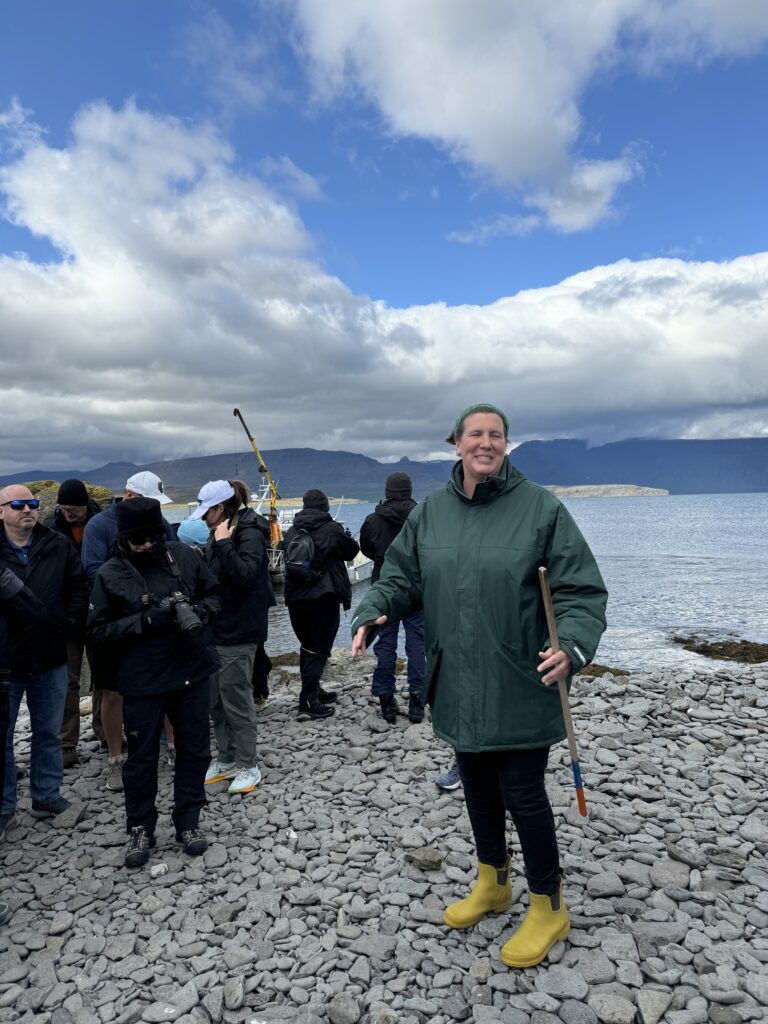
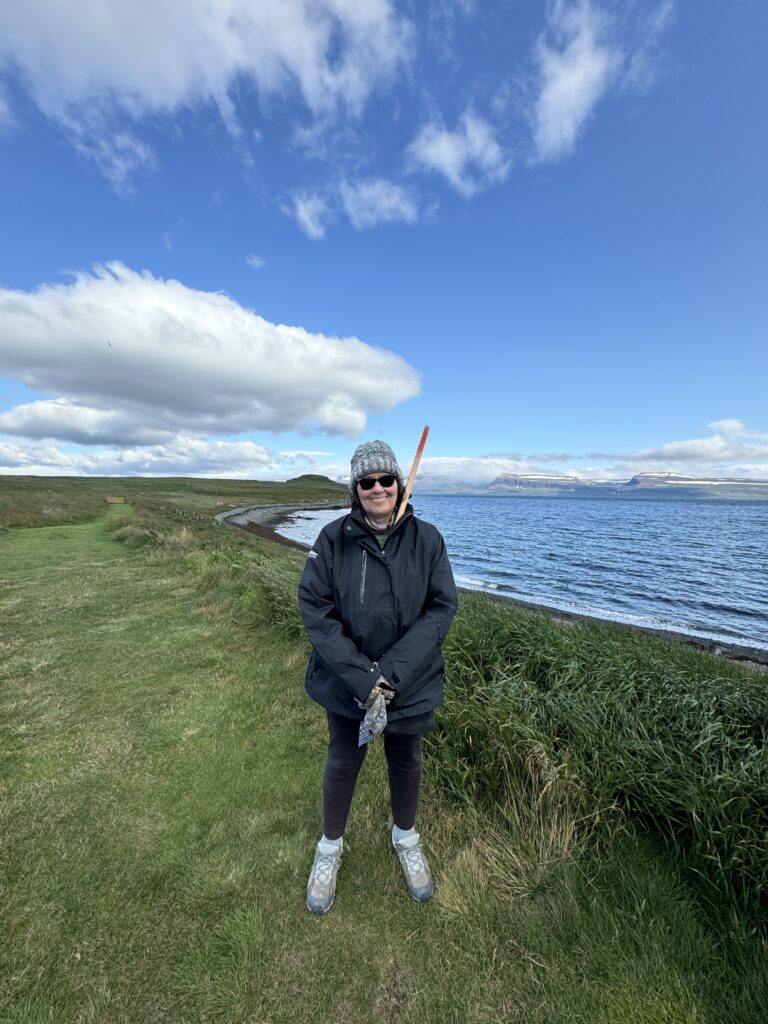
Why is she holding a stick, I hear you ask? Well, the island’s a breeding ground for arctic terns who swoop down on you as you walk through the breeding area. So we all had to have sticks to avoid being attacked.

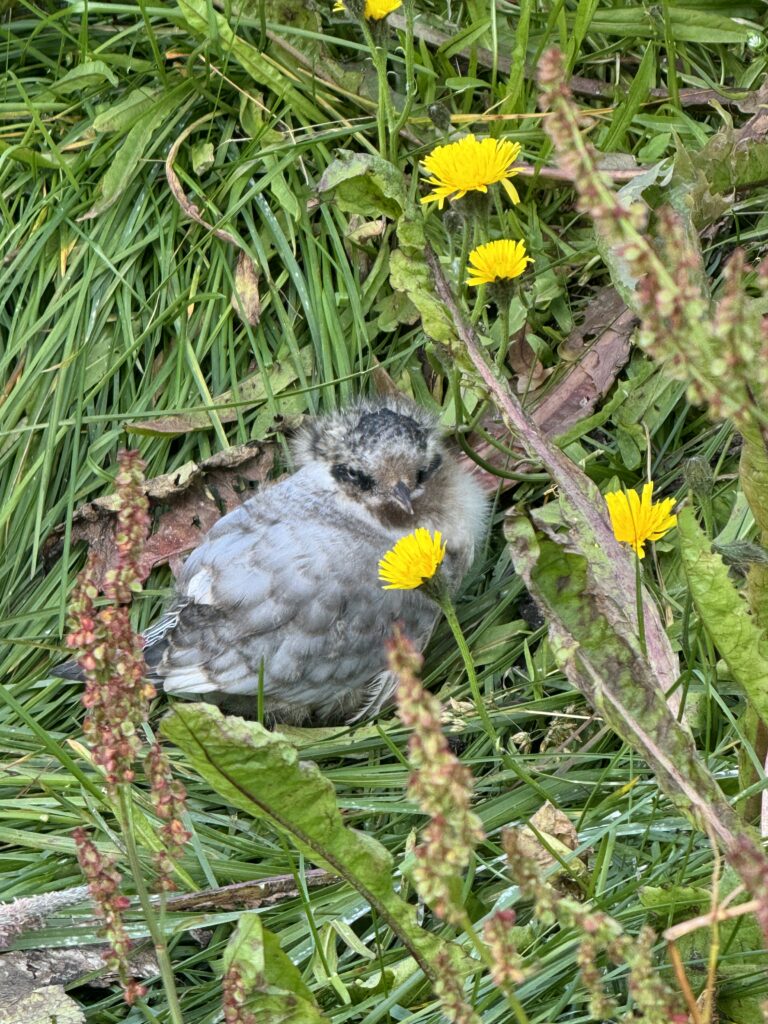
Here are some of the cute Arctic tern chicks
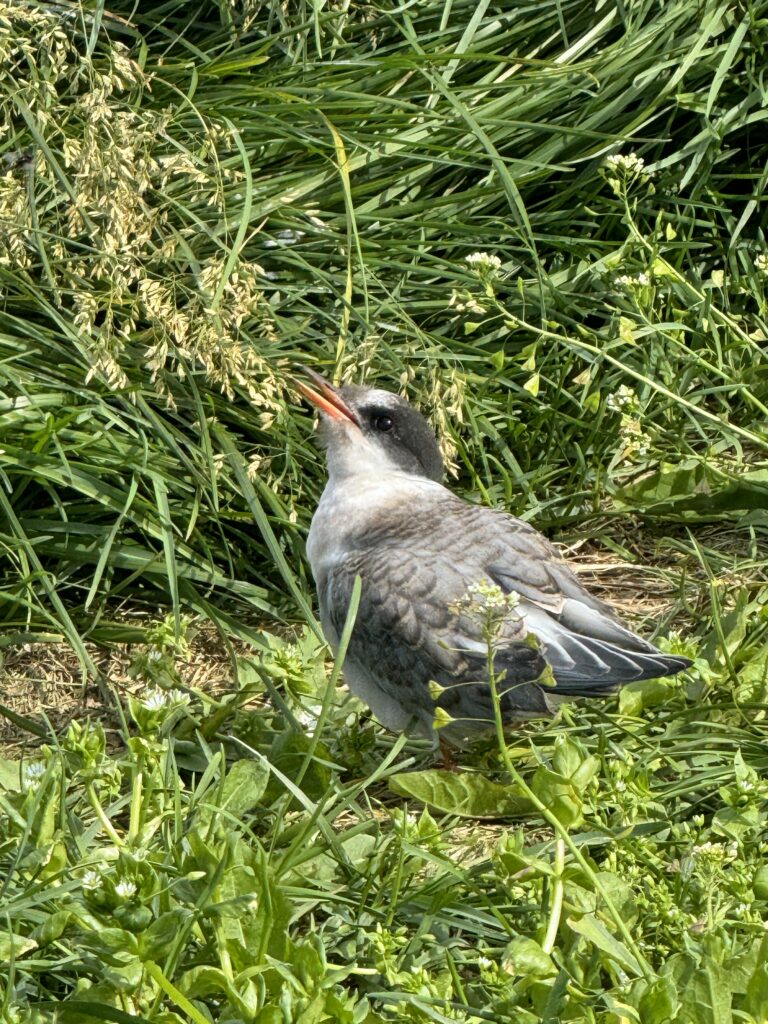
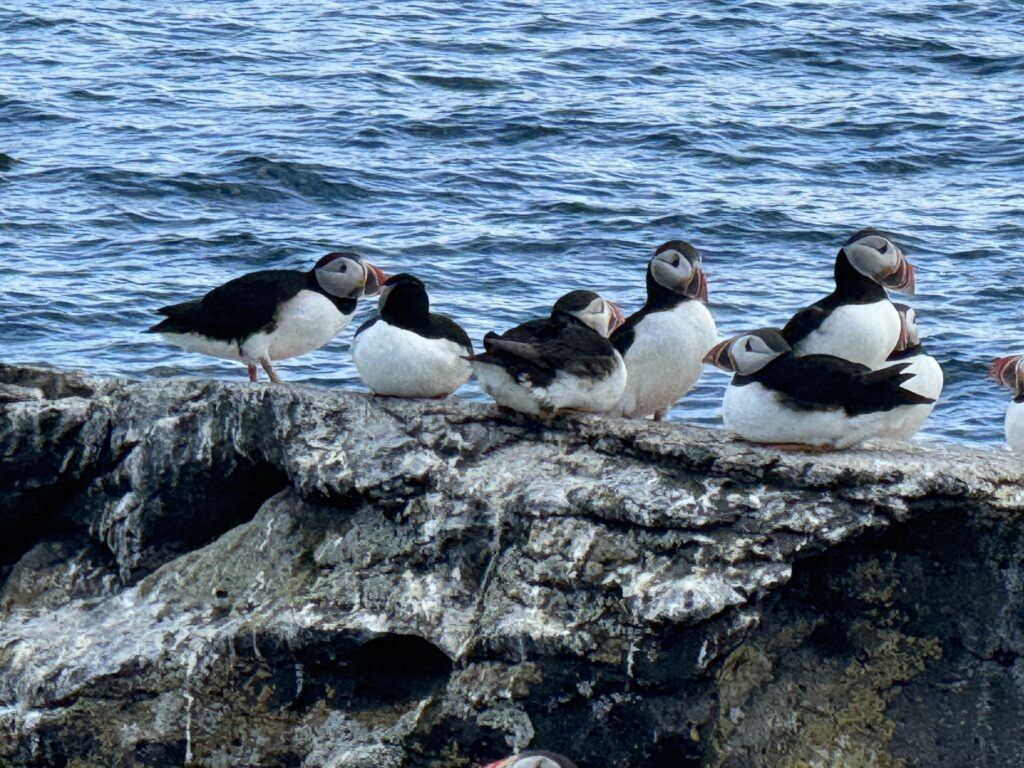
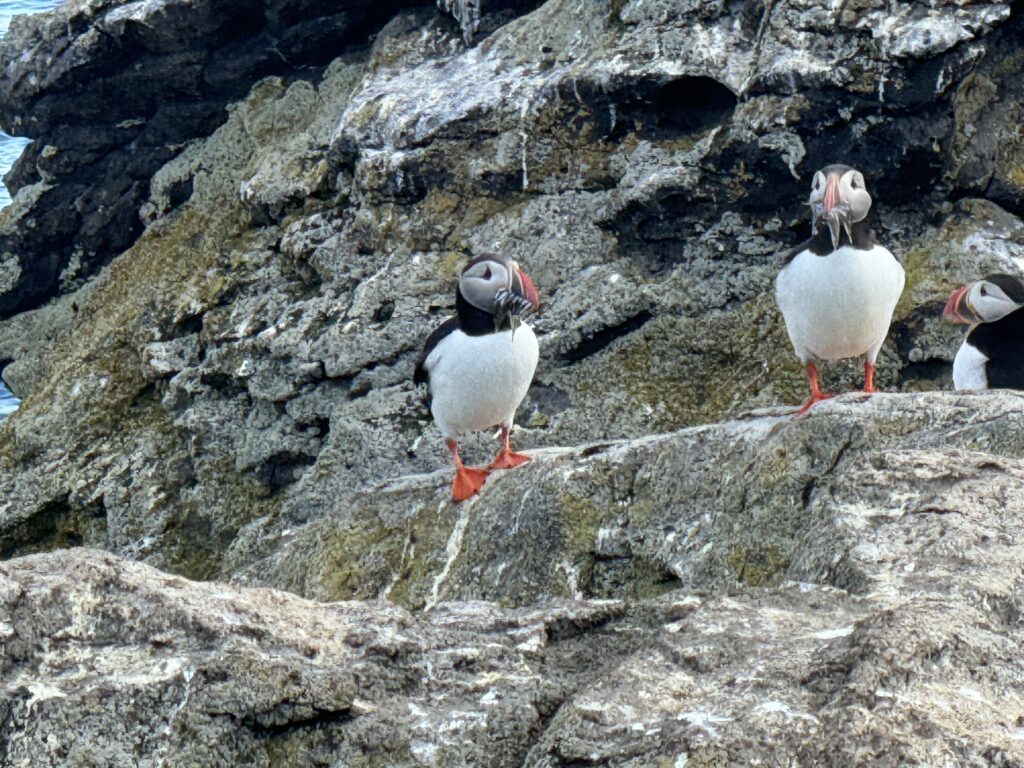
in addition to the countless number of Arctic terns, the island also has some 7000 breeding Eider Ducks, 100,000 puffins, and Europe’s largest colony of Black Guillemot. For that reason, it has been designated an ‘internationally important seabird habitat.
The puffins are amazing. They have a gape in their mouth which enables them to hold up to 50 little fish.
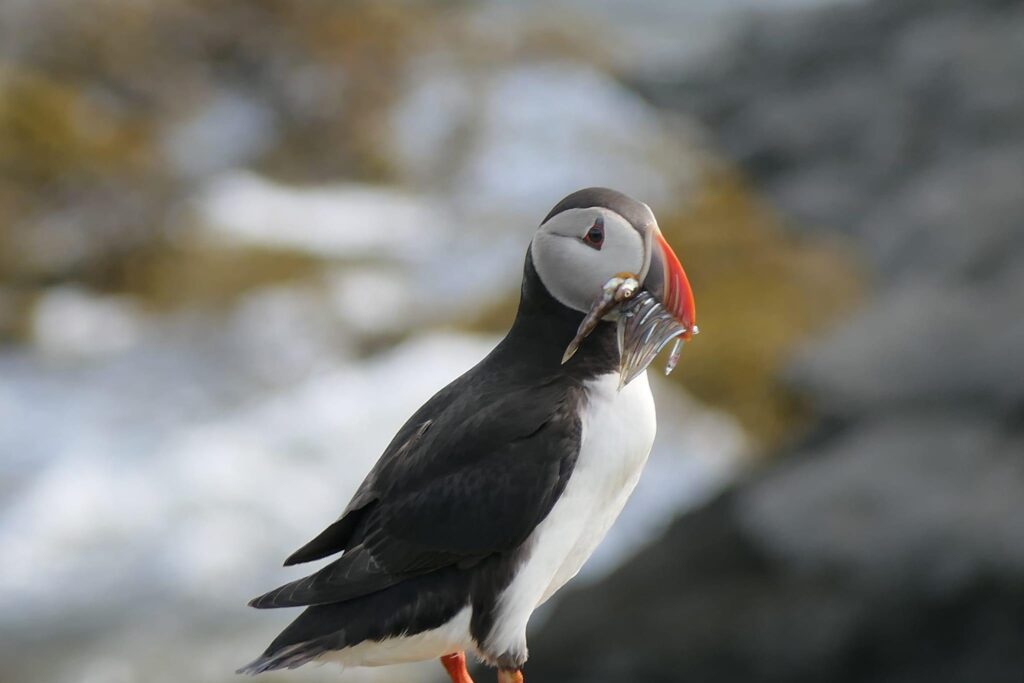
They can swim and dive, and have a similar body shape to a penguin. They rub their beaks together as a mating ritual and baby puffins are called pufflings.
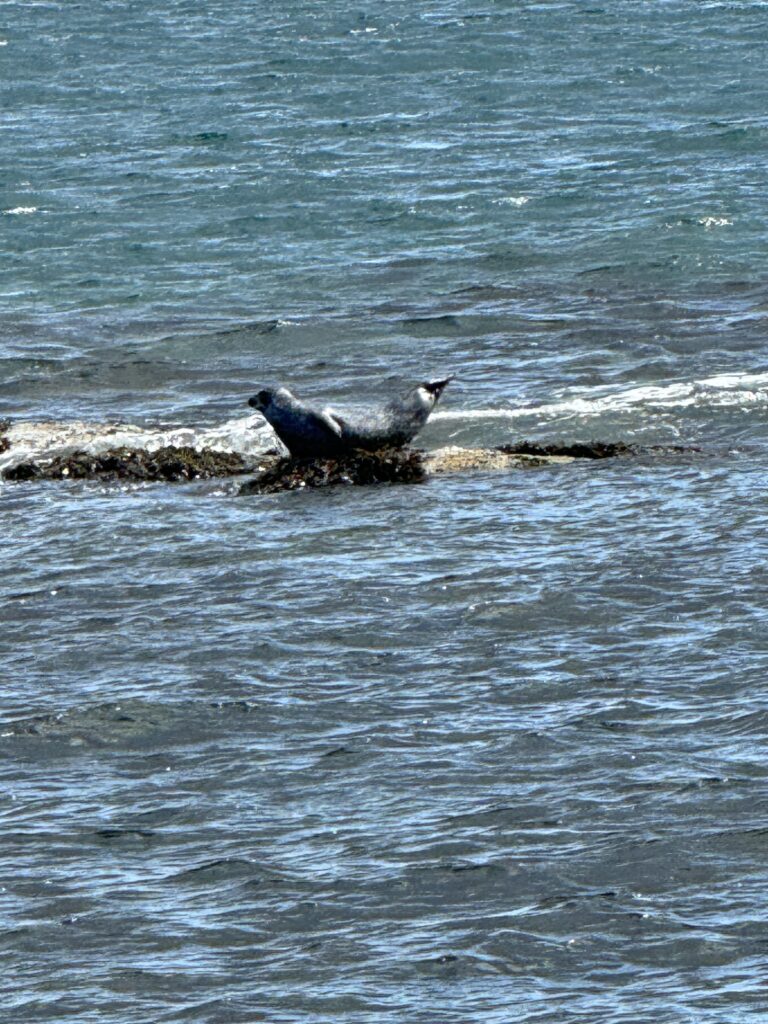
A seal colony thrives on the southern end of the island and we saw one sunning himself on a rock.
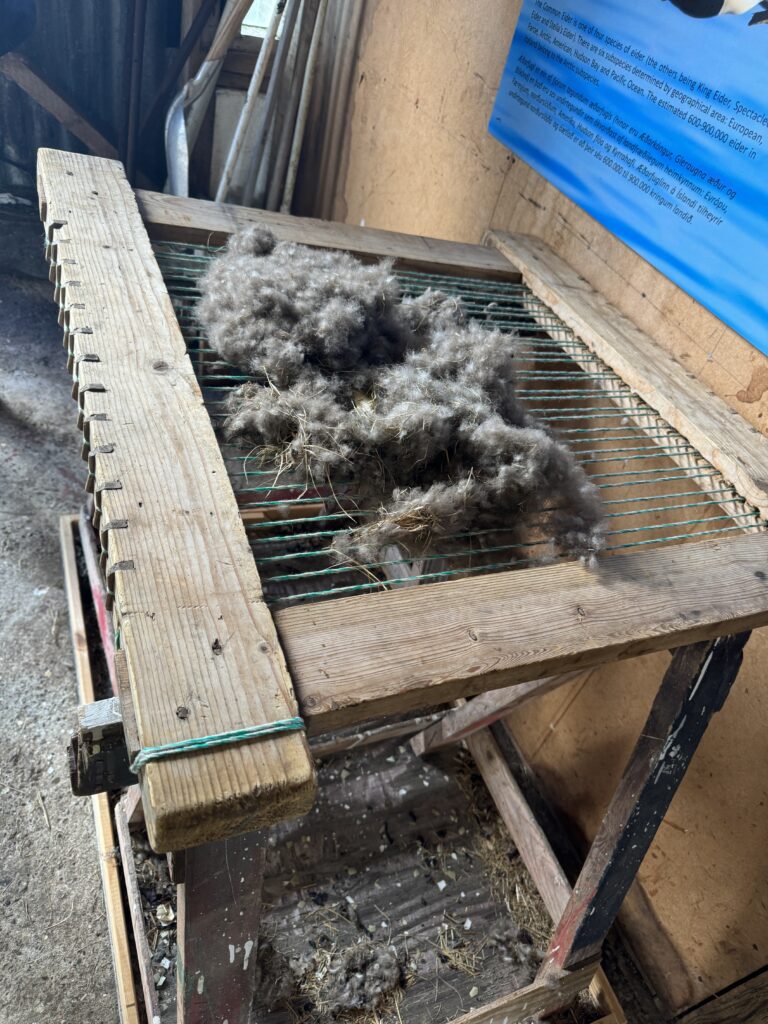
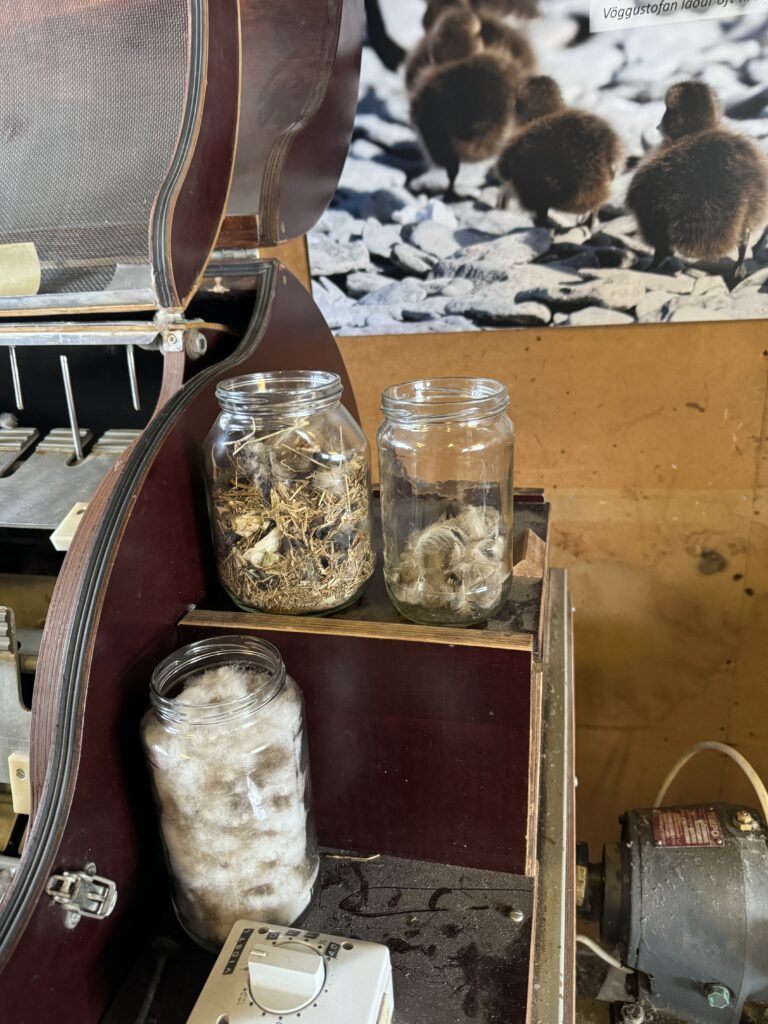
Vigur is famous for its eiderdown, the soft under-feathers of the Common Eider duck. Every summer more than 3500 eider nests appear all over the island, each insulated with eiderdown that is shed naturally. The eiderdown is still collected in exactly the same way it has been for centuries. Once cleaned by hand, it is sold for use in luxurious duvets and pillows as well as jackets and sleeping bags for explorers and mountaineers – and even the suits of astronauts. What makes eiderdown so valuable is not just its extraordinary insulating properties but also its rarity. Only 3 tons of eiderdown is collected globally per year (enough for just 3000 double duvets) and as much as 85% of that comes from Vigur island.
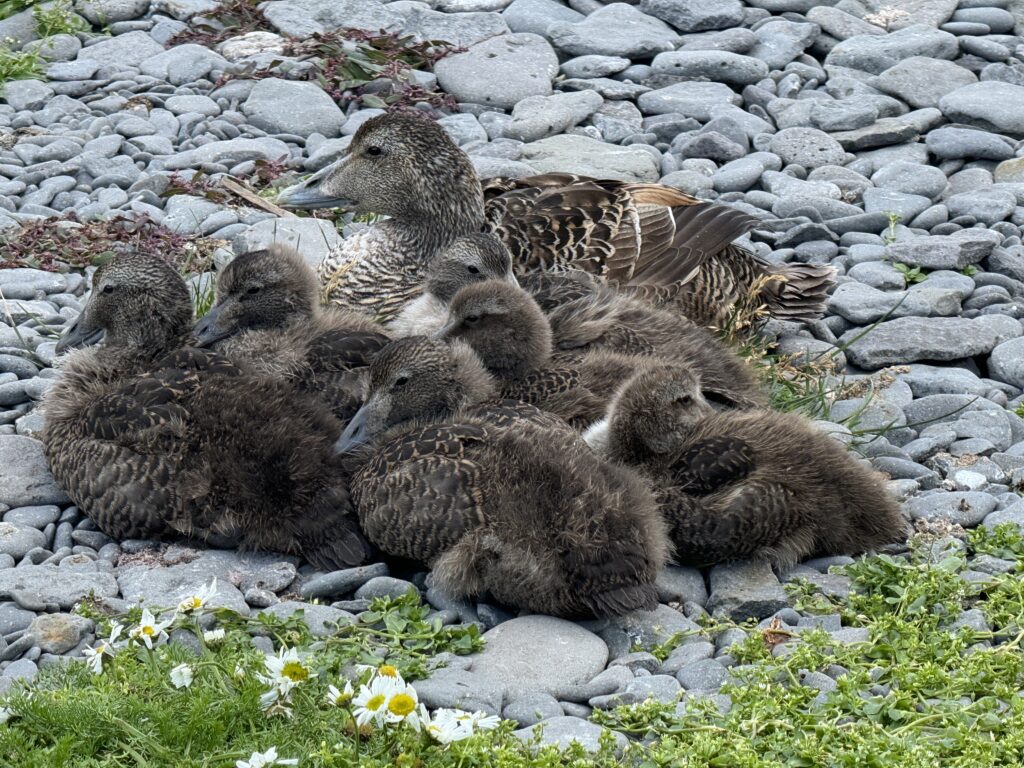
Here’s some eider duck chicks..
Collecting and cleaning the eider is the main occupation of the island.
The wild ducks flock to Vigur because the island farming family affords them protection by deterring predators (simply by being present). Eider tend to return to the place they were hatched to breed, so a higher survival rate of chicks translates into more nests and more eider down.
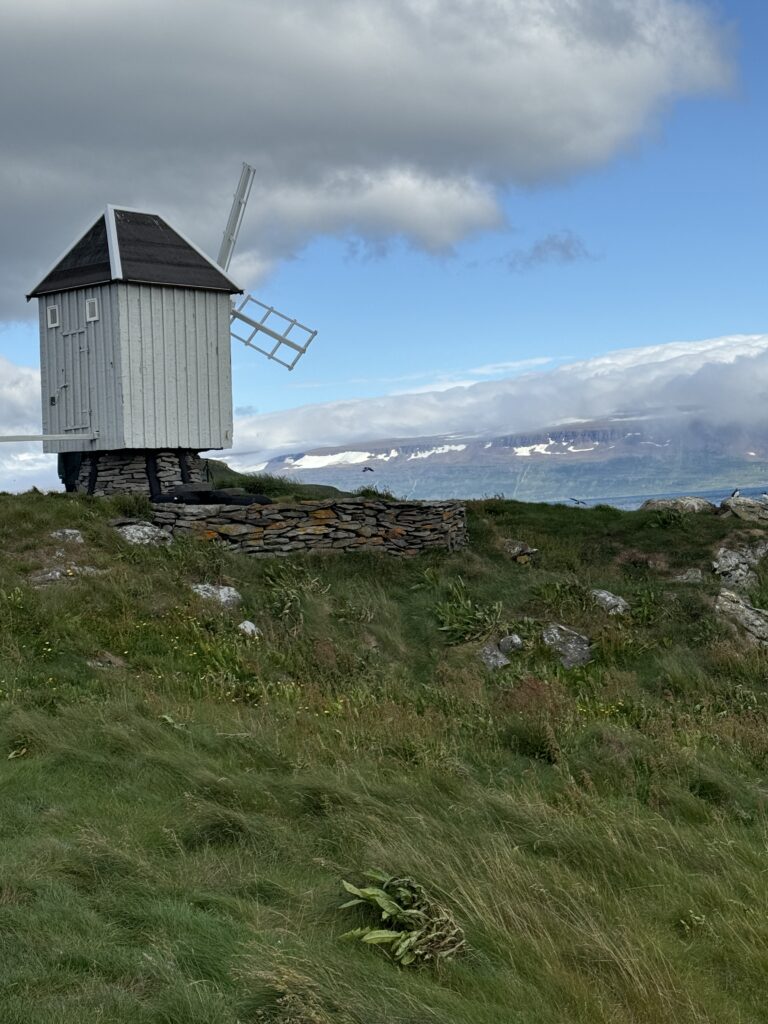
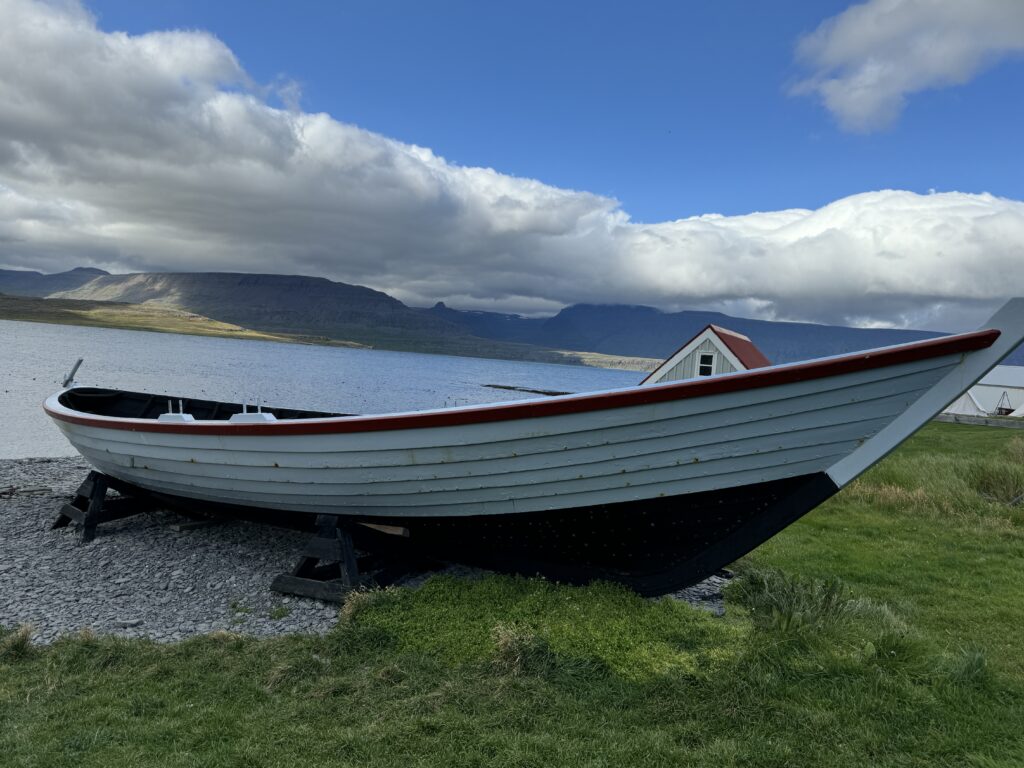
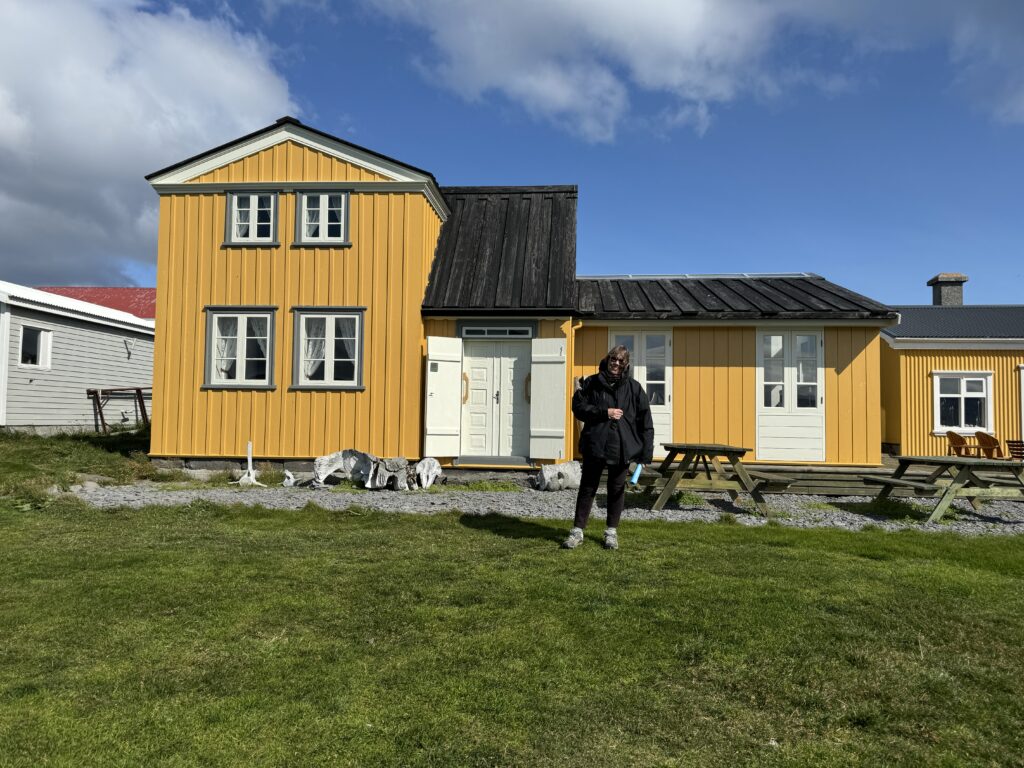
Iceland’s only windmill, its oldest working boat and some of its oldest buildings can be found on Vigur.
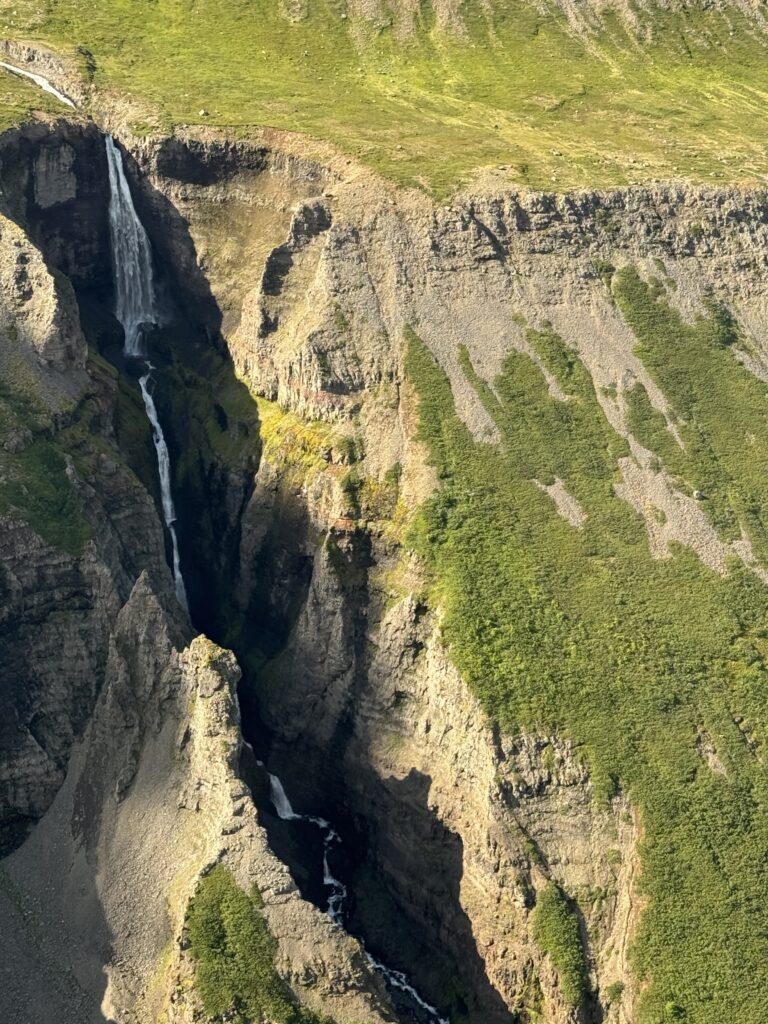
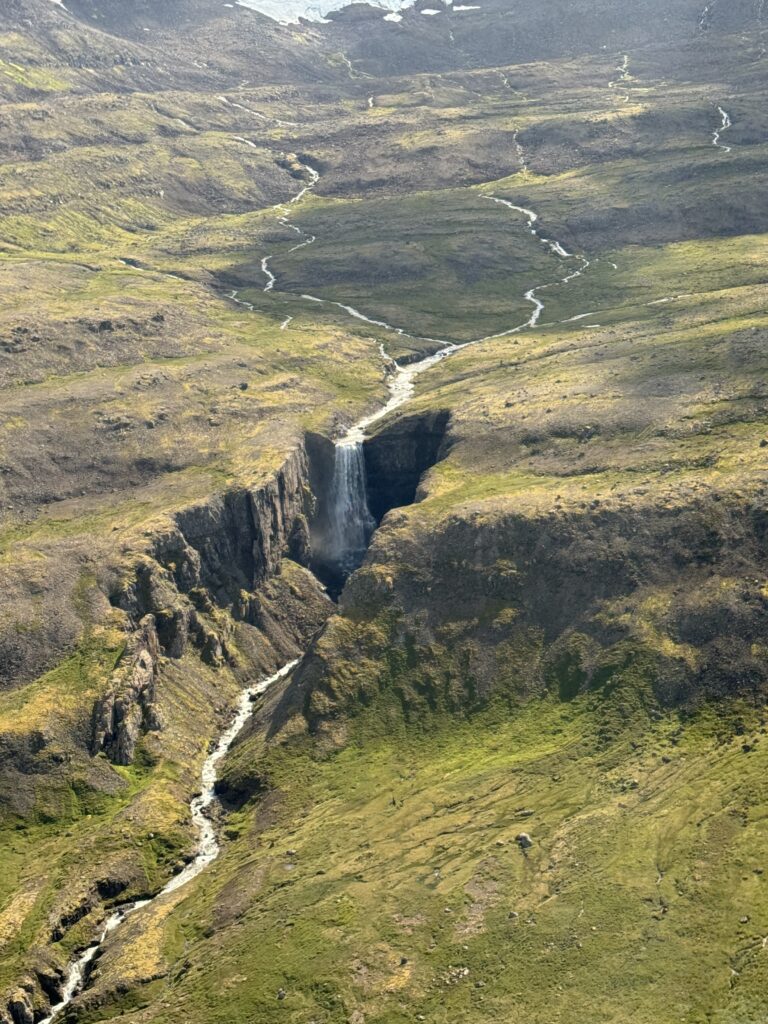
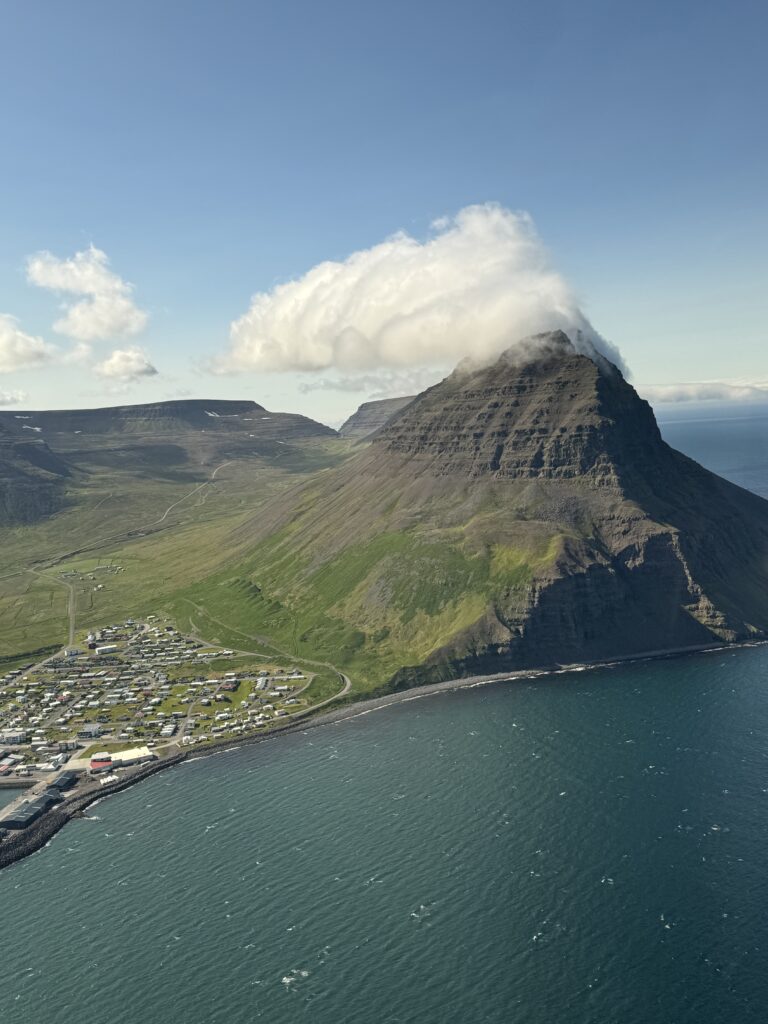
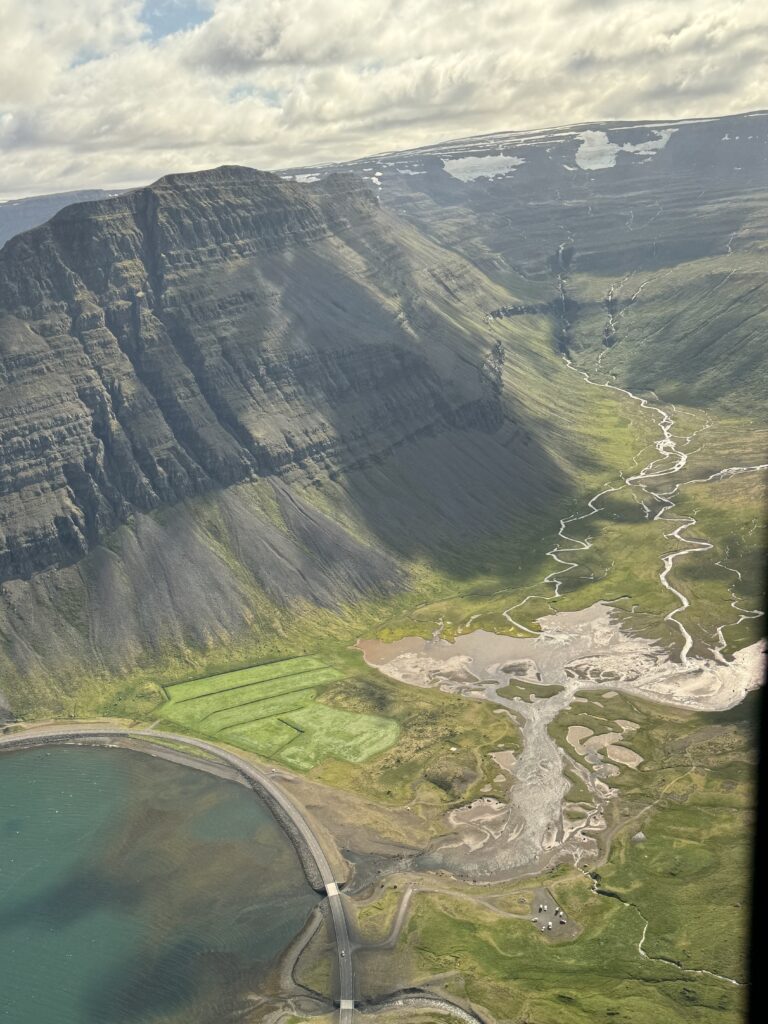
In the afternoon, we got to take the helicopter flight we were hanging out for. Fortunately the weather was on our side, and I saw some beautiful waterfalls and landscape.
Our last night on the ship, and we got to see the video of our trip, which had been put together by the videographer who accompanied us throughout. And guess who starred in the video……moi….i was the opening scene, saying “cheers” with a glass of champagne in my hand. A local celebrity for a minute!
Comments
4 responses to “Hello from the Northern Hemisphere”
Do we get to see the video???
With a population of 3 I have a lot of questions for you but that can wait for another time xxx
I have the same question as Warren! And yes, we would like to see the video too!
What a time you have had in the Arctic – absolutely wonderful 🙂
Safe travels to Aspen xxxx
Oh Sar! what a wonderful time you are having… so interesting, learning heaps, so scenic and diverse, look forward to your blogs xxxooo