
June 26: the Normandy beaches
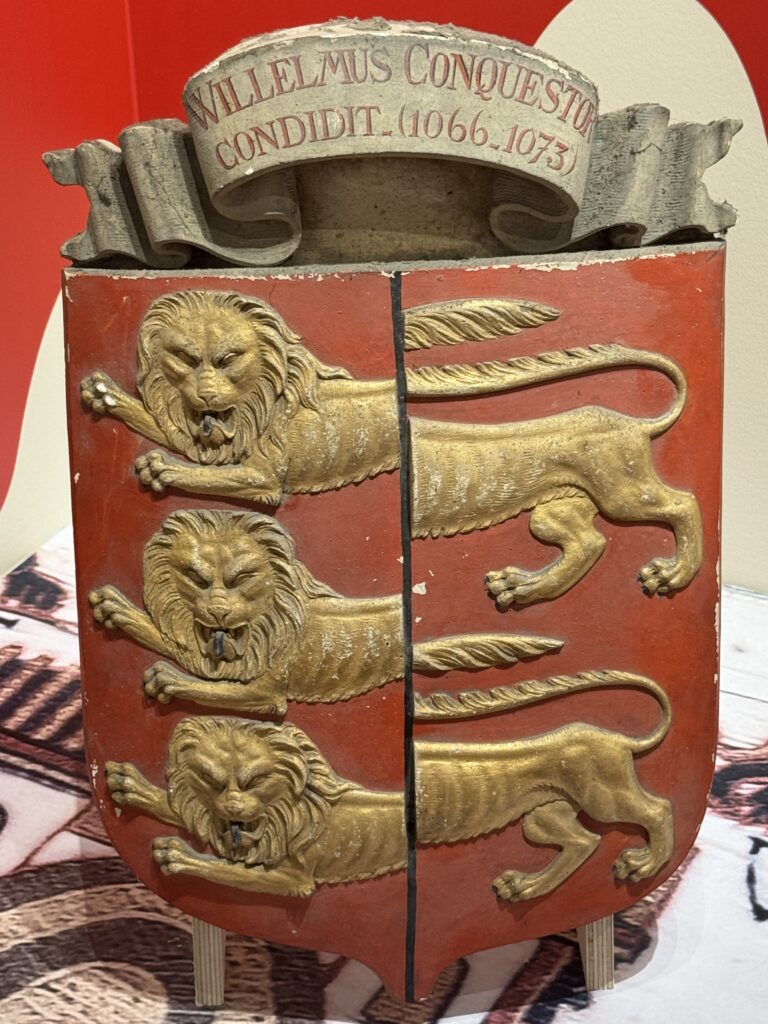
Warren, you may think the coat of arms are lions not leopards ..their manes would indicate this. However there is a subtlety in heraldic terminology used to describe coats of arms. When the feline is shown entirely in profile, it is called a “lion”, but when its head faces forward, it is referred to as a leopard. Now THAT’s a good trivial pursuit question!!!
Took a step back into history with a visit to the Normandy beaches.
The Normandy beaches are historically important because they were the landing sites of the Allied invasion of Nazi‑occupied France on 6 June 1944 — D‑Day — the largest amphibious assault in history and the turning point that led to the liberation of Western Europe.
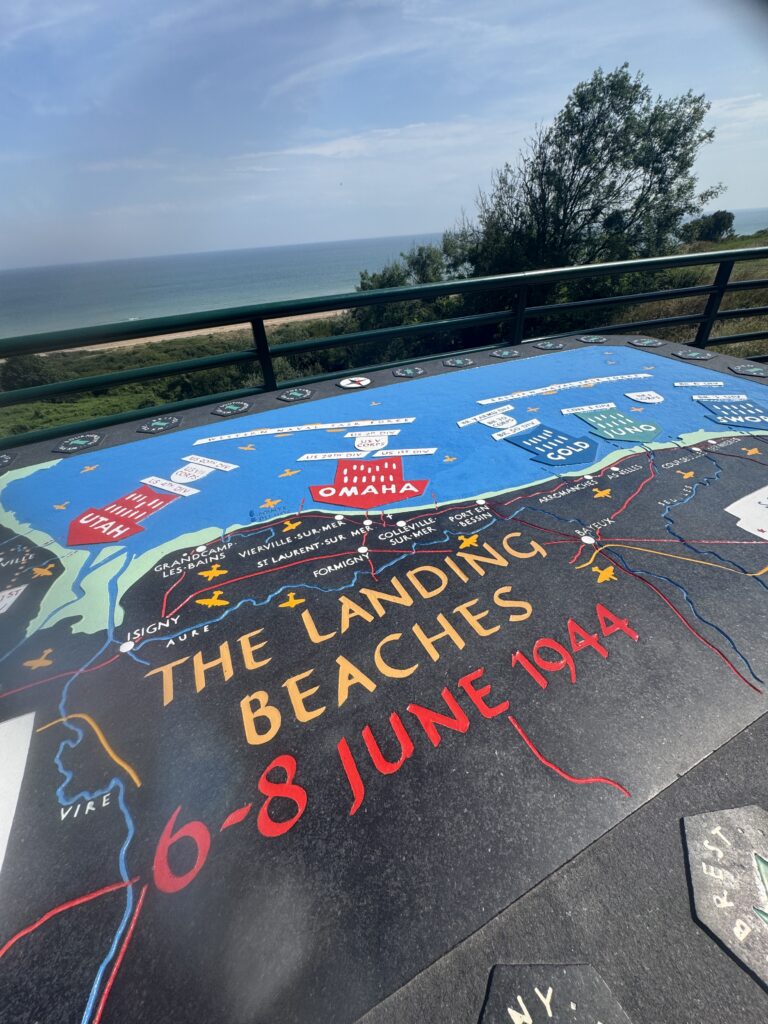
The term “Normandy beaches” refers to the five Allied landing zones along a 50‑mile stretch of the Normandy coast used during Operation Overlord on June 6, 1944: Utah Beach, Omaha BeachGold beach, Juno Beach and Sword Beach.
These beaches were chosen for their geography, tides, and proximity to key inland objectives

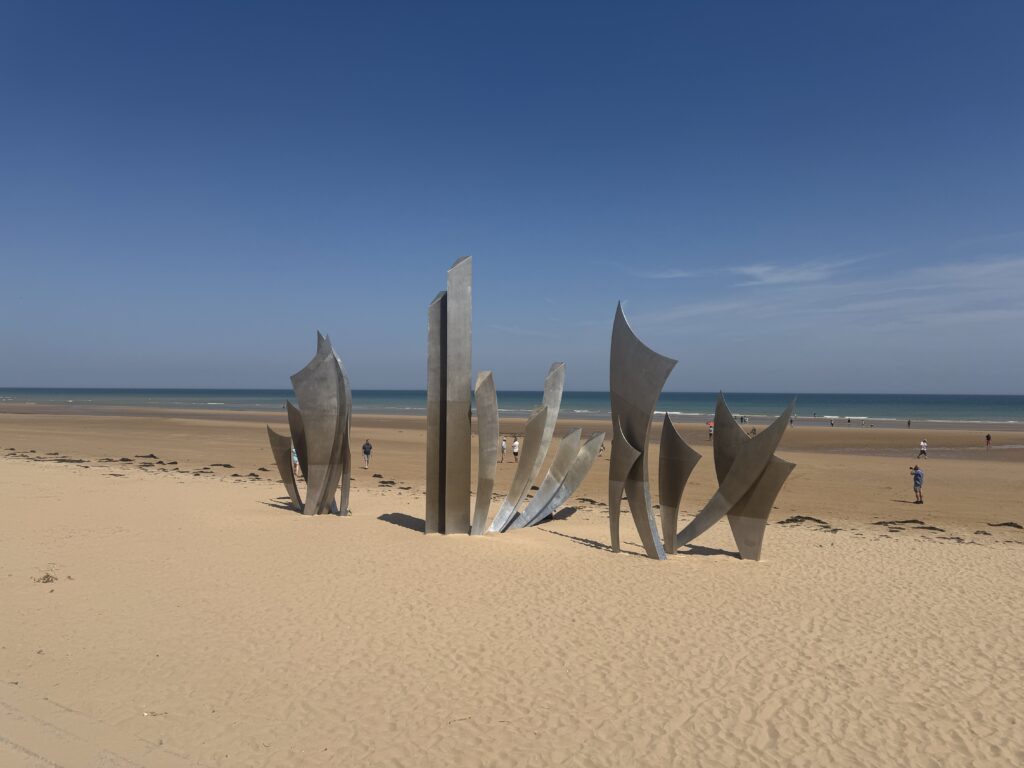
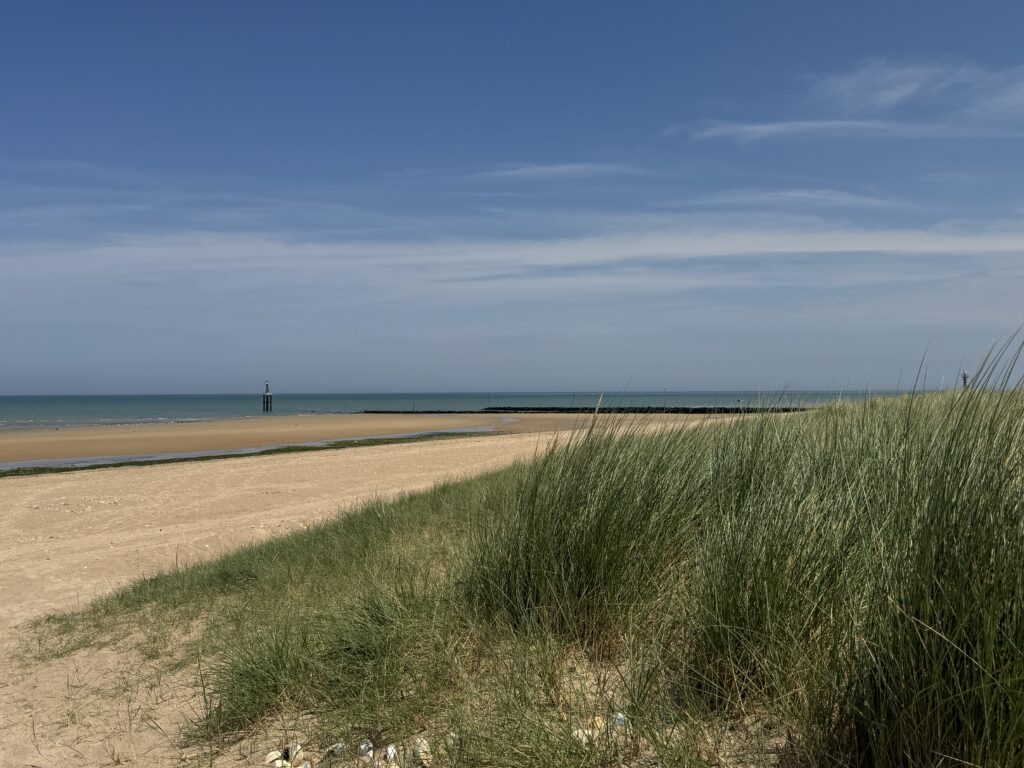
Omaha and Juno beaches

On D‑Day, the Allies landed nearly 160,000 troops, supported by over 7,000 naval vessels and 12,000 aircraft. It was the largest naval, air and land invasion ever attempted.This scale had never been seen before or since.
By the end of the day, 156,000 Allied soldiers were ashore. Despite heavy casualties — especially at Omaha Beach, where about 2,400 Americans were killed or wounded — the landings succeeded.
Historians widely view D‑Day as the turning point that enabled the liberation of France and ultimately the defeat of Nazi Germany in 1945.
It was clear why there were so many casualties on Omaha beach as the surrounding terrain gave the Nazis a vantage point, compared to Juno Beach which was much flatter.
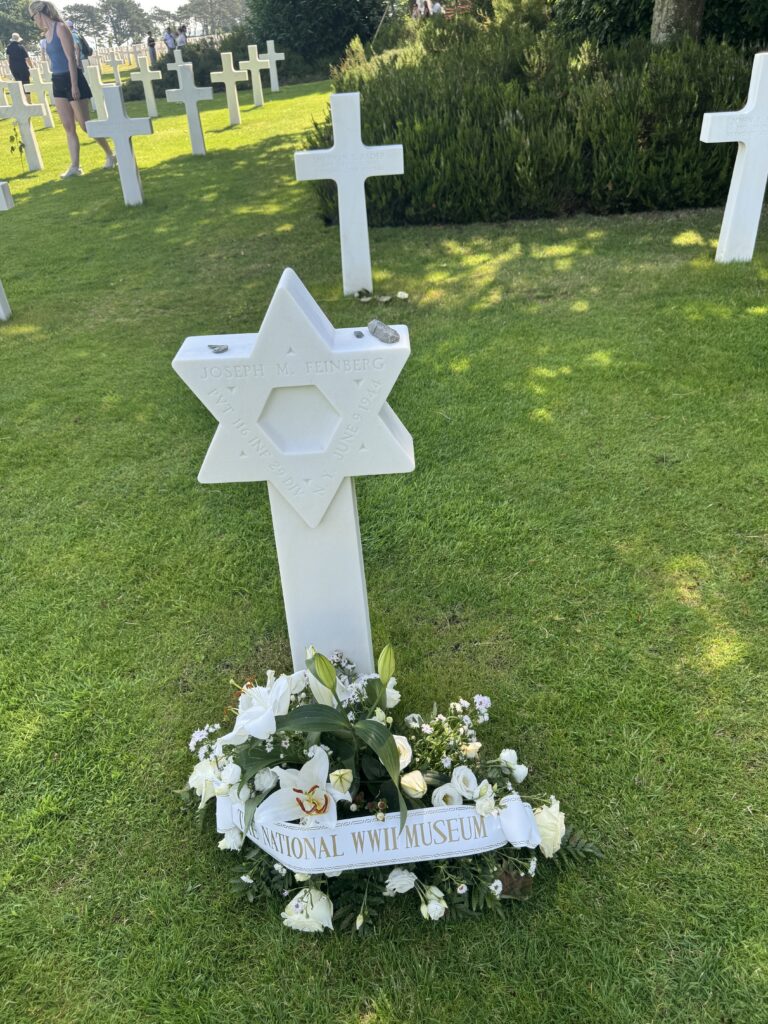
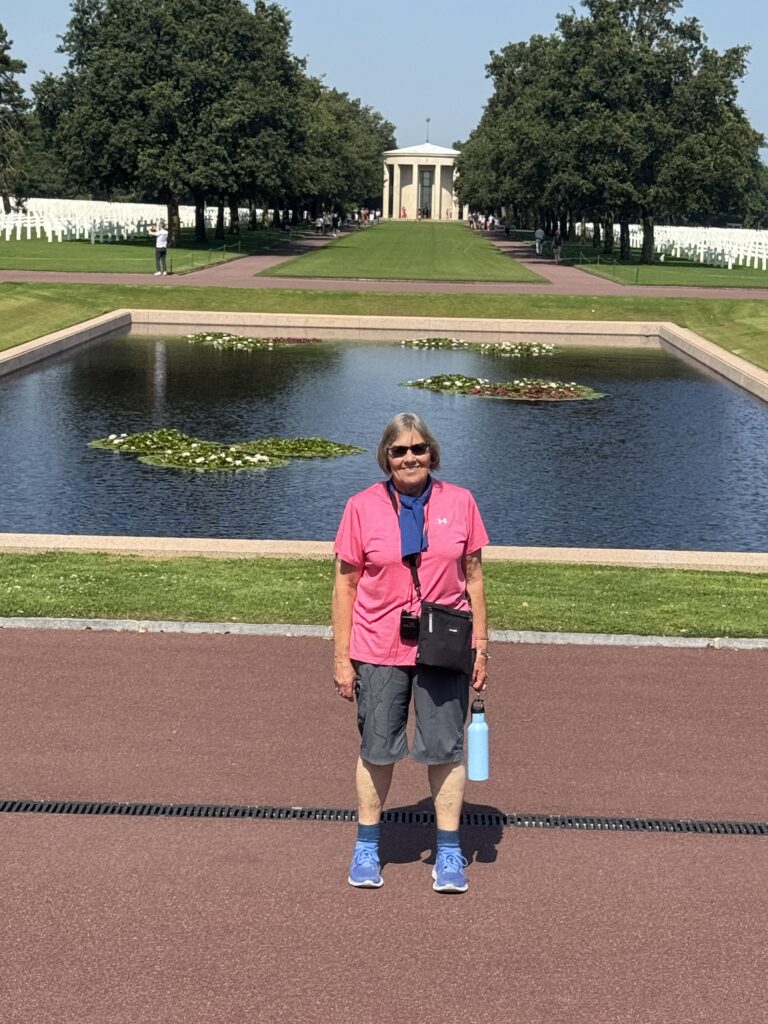
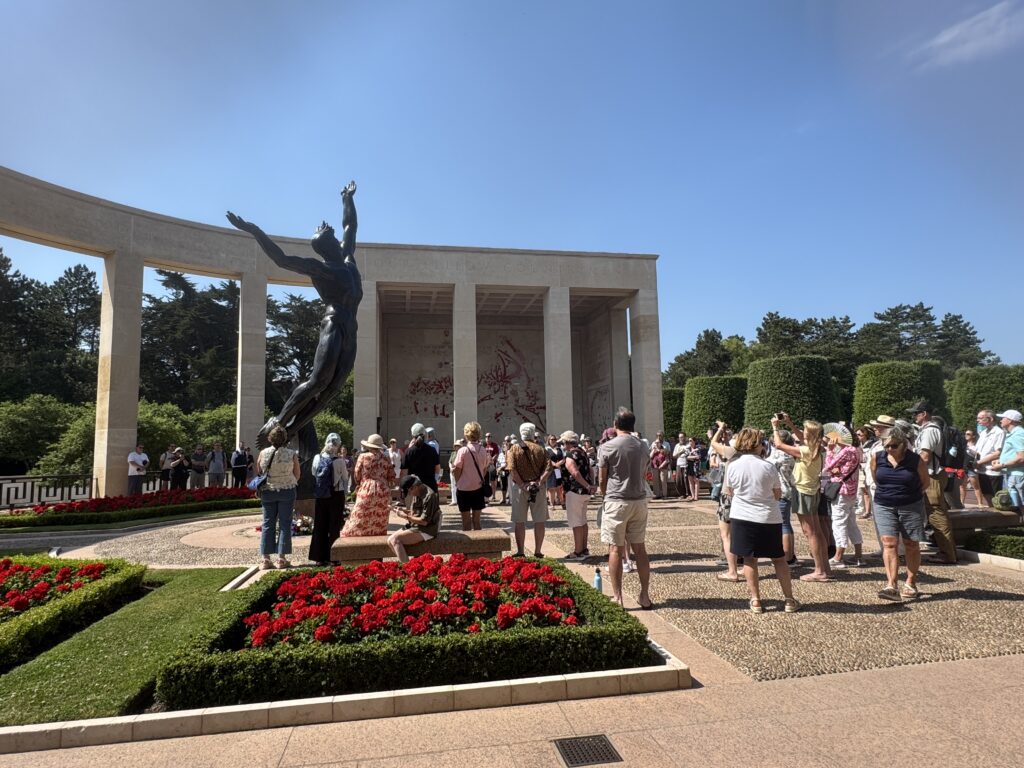
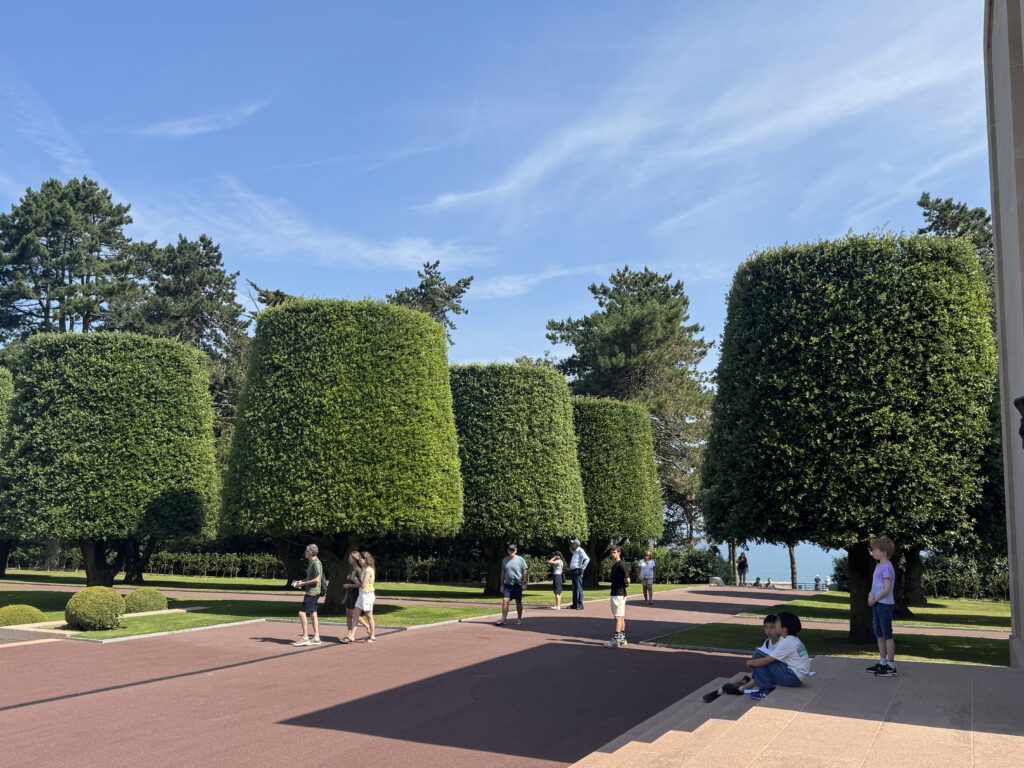
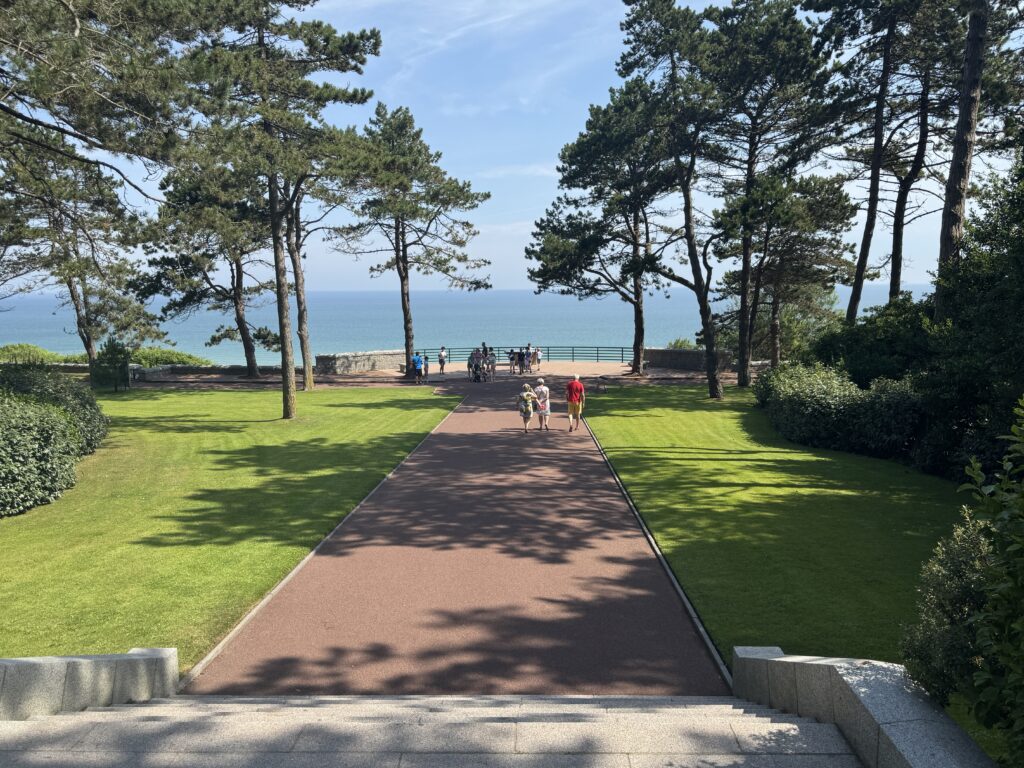
The American cemetery to the fallen was really beautiful. Row of graves …the Jewish graves had a Star of David rather than a cross (couldn’t find many of these).

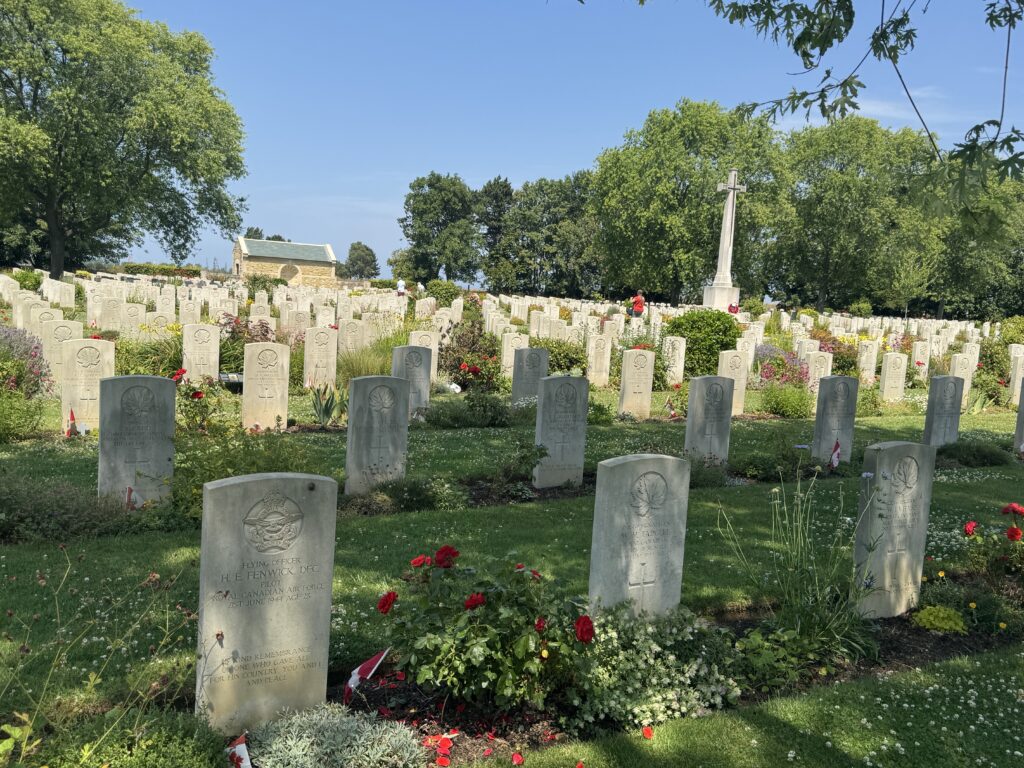
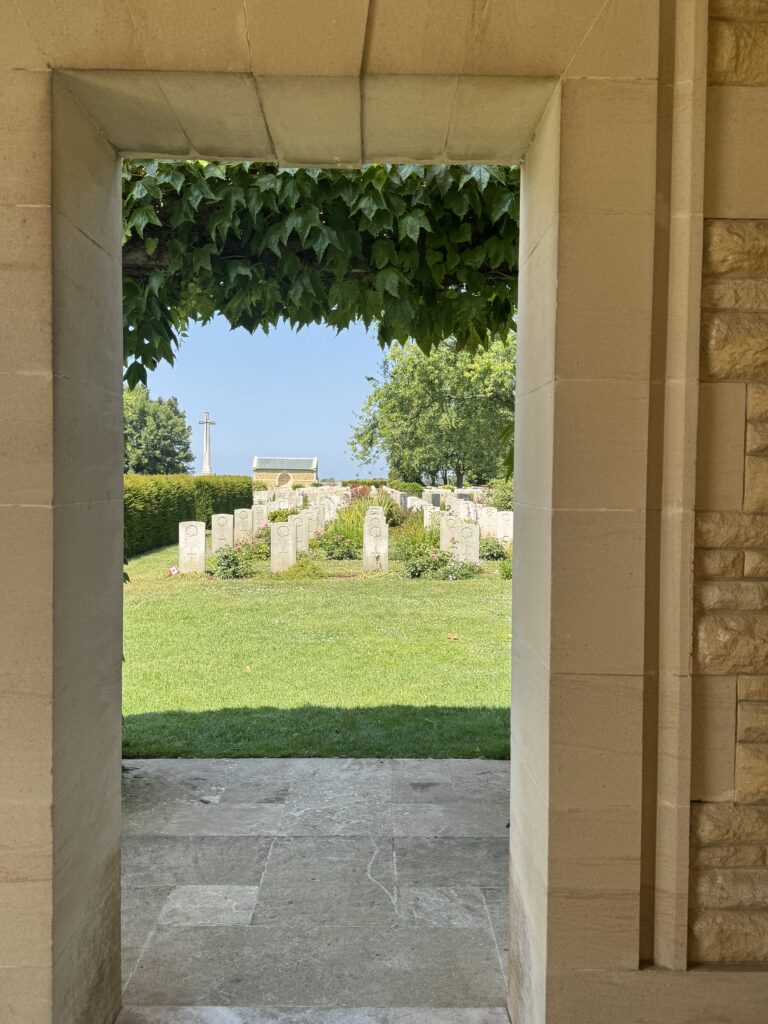
The Canadian cemetery was just as well maintained but there, the graves were allowed to have more information (not just rank, name,date of death) such as a message from the family.
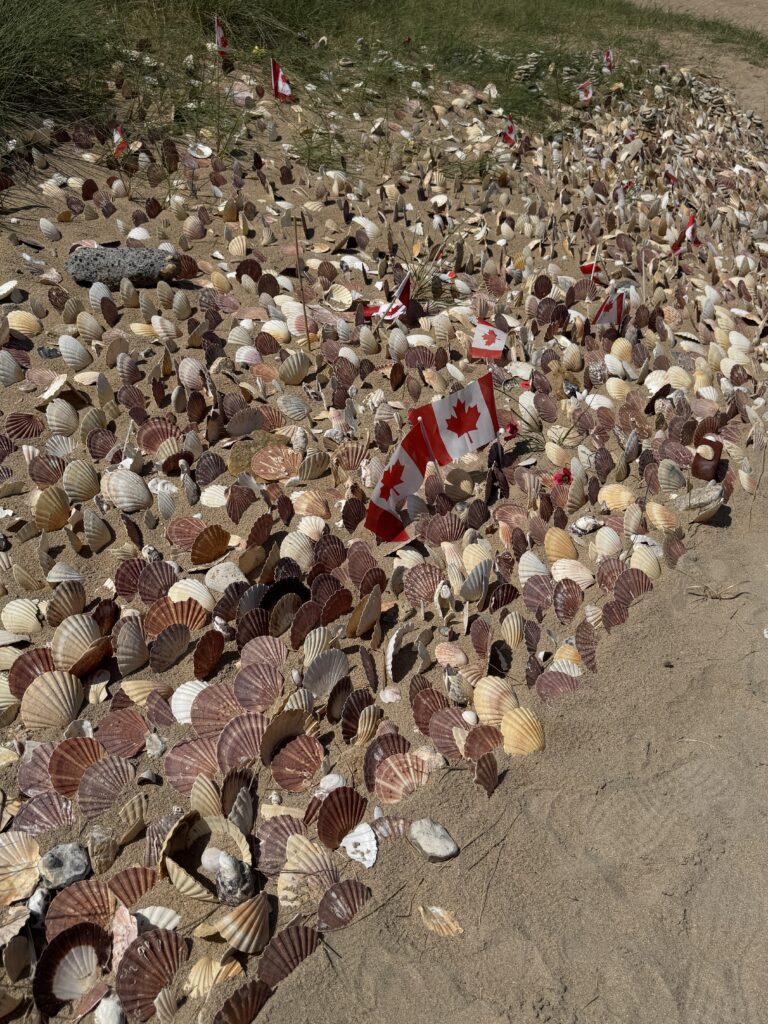
The shells on Juno Beach seemed to be a spontaneous commemoration of the fallen.

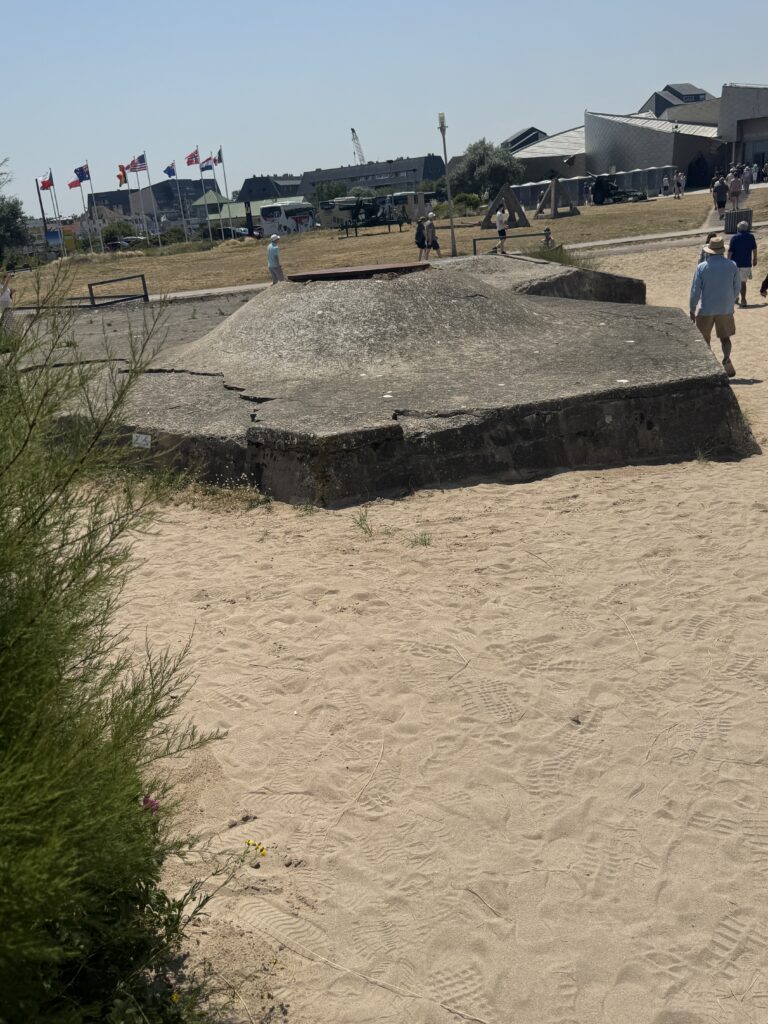
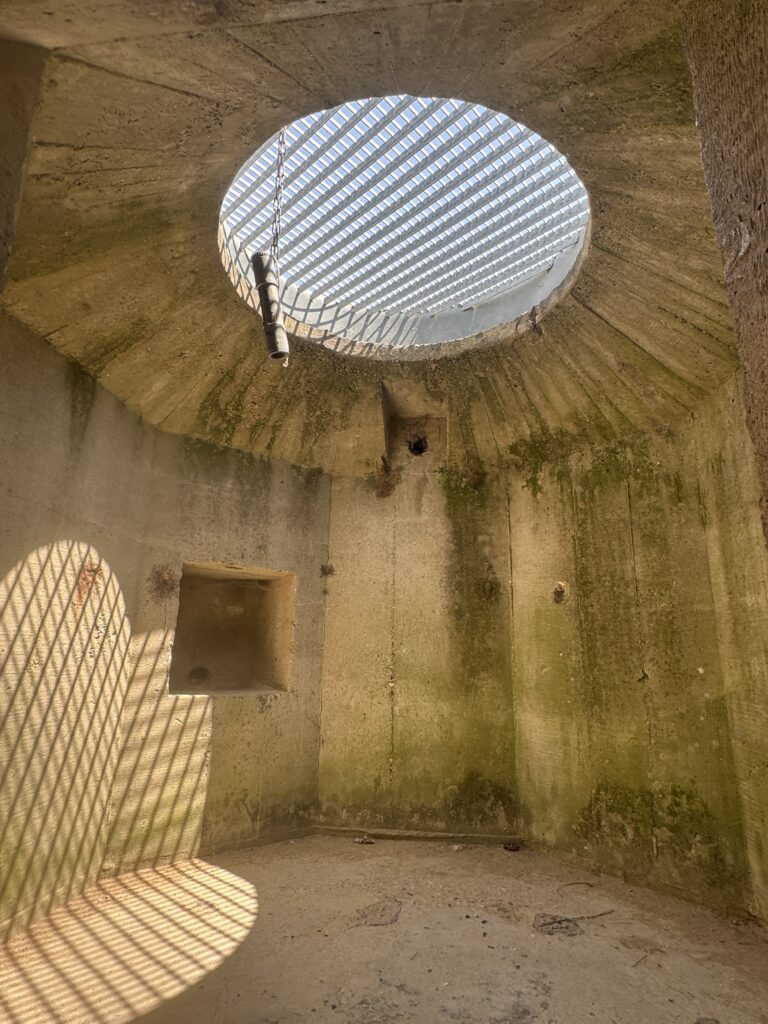
The beaches were heavily fortified with bunkers, mines, and obstacles as part of Hitler’s Atlantic Wall, a 2,400‑mile defensive system.This was one of those defensive bunkers.
Troops came from the United States, United Kingdom, Canada, and 12 other Allied nations (including Australia) making it one of the most internationally coordinated military operations in history.
Last night of the cruise and we celebrated with our non-group friends ( I only managed to identify 16 of the 27 in the non-group). Btw, all of them happened to be anti-trumpers, ashamed at what’s happening in their country). Also forgot to say that 99% of cruisers were Americans, there were 4 Canadians, 1 from UK and I was the only Australian!!

Comments
6 responses to “Comment allez-vous?”
The cemeteries are certainly very well maintained . And what a huge part of History
xx
Both moving and memorable Sara, thank you for the information and wonderful photos.
Sara – I just watched a Doco on SBS on just this Event – X marks one of the spots where you are standing. Great photos :))) xxx
Another history lesson!! What beautiful condition the lawns and sculptured trees and of course the cemetery
Not long before we see you now Sar!! Safe travels. Xxxxx
Jen expressed exactly what I wanted to say. Thanks Sara.
What a great trip u had. Happy for you and loved reading the blogs….although the word blogs does not do it justice. 😩