
Jan 18: Cape Evans
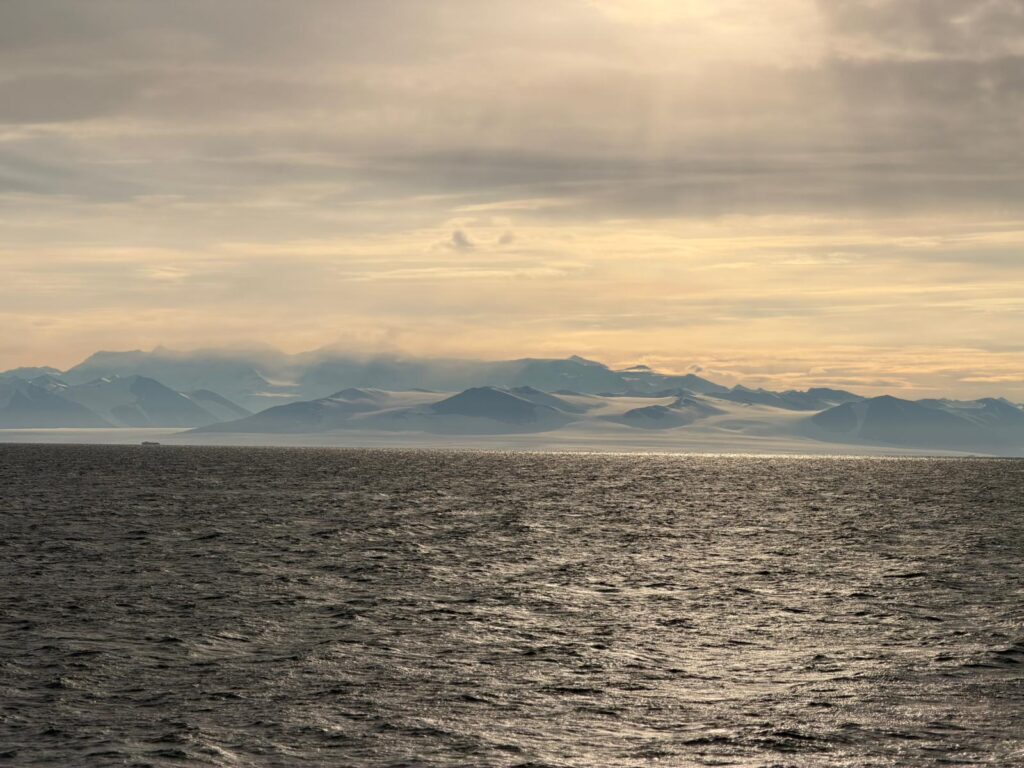
Here’s sky from last night. Obviously we don’t get sunrises or sunsets, but the skies are still amazing
Captain Robert Scott’s final expedition was in 1910-1913. He expected to be the first to reach the South Pole but as his ship, the Terra Nova, sailed south, he learnt that Norwegian explorer Roald Amundsen was also headed for Antarctica. In addition to the 25 crew, the ship had 34 dogs, 19 ponies and 3 motor sledges with the objective to reach the South Pole. They arrived at Cape Evans on Jan 4, 1911, and built the Terra Nova hut 15 miles north of another hut, called Hut Point. The two huts were connected by telephone cable
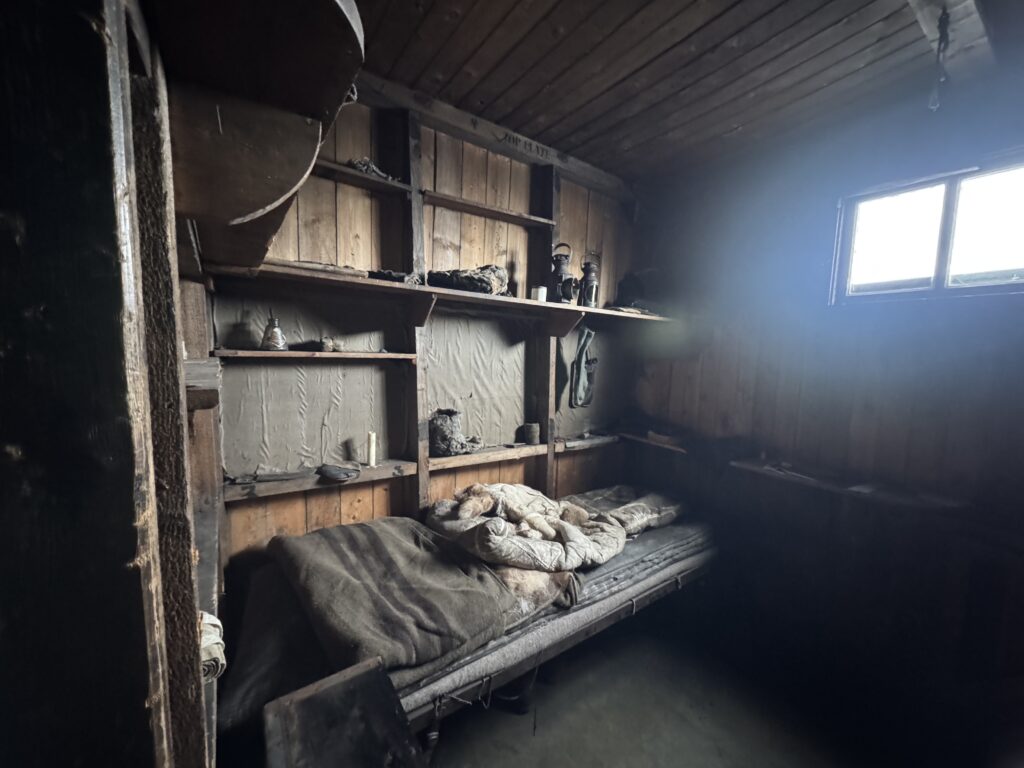
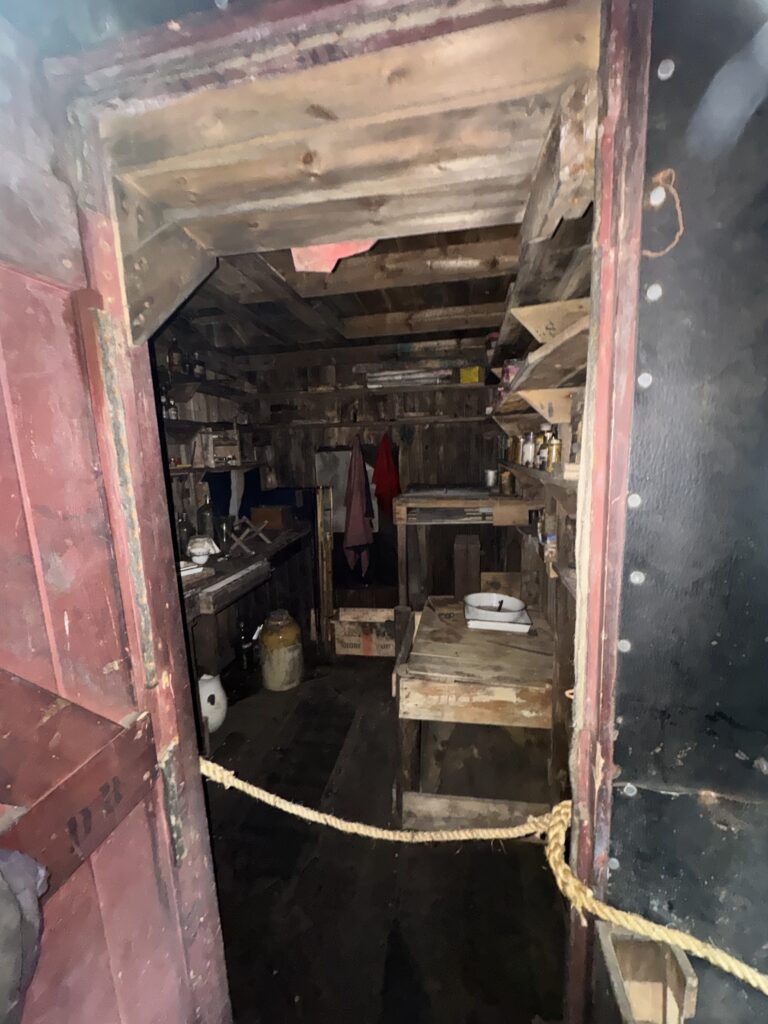
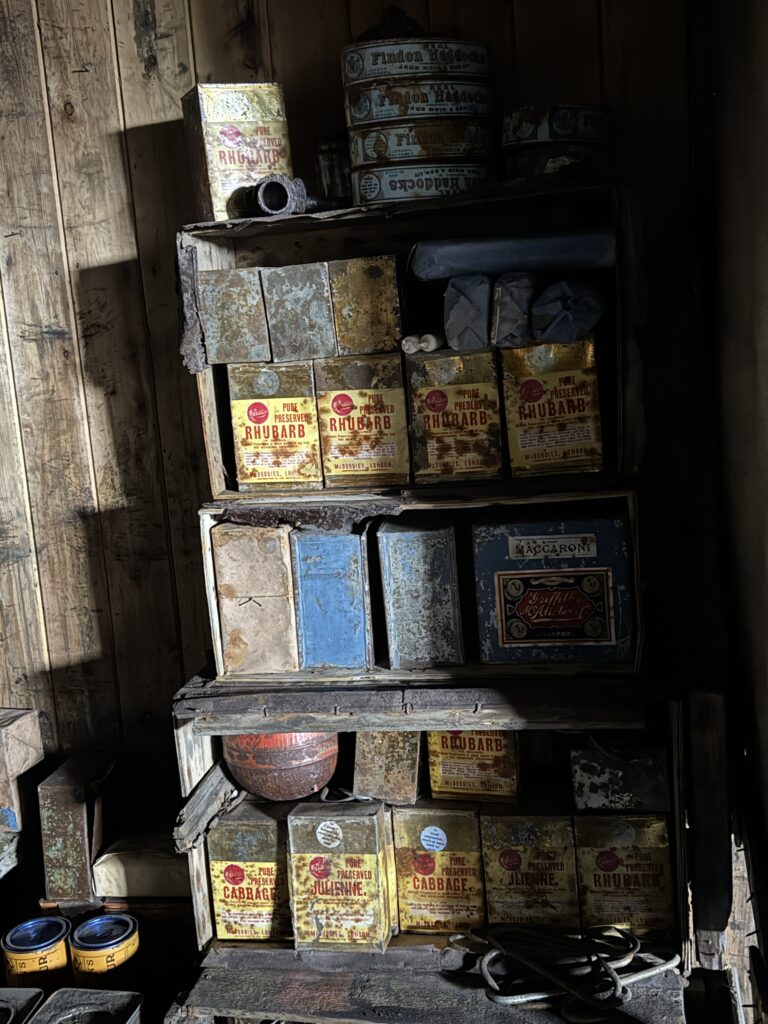
We visited the Cape Evans hut today.


The pictures in order show: Scott’s bed, the dark room where the photographer slept, some of their food supplies, the bunks of Wilson and Oates.
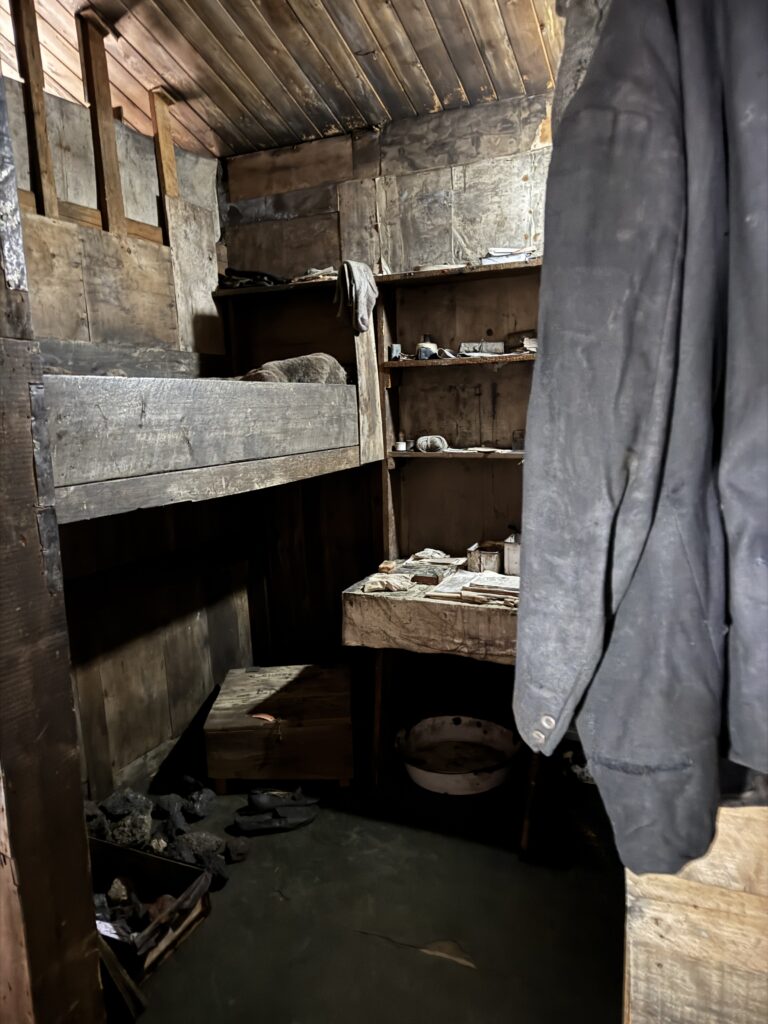
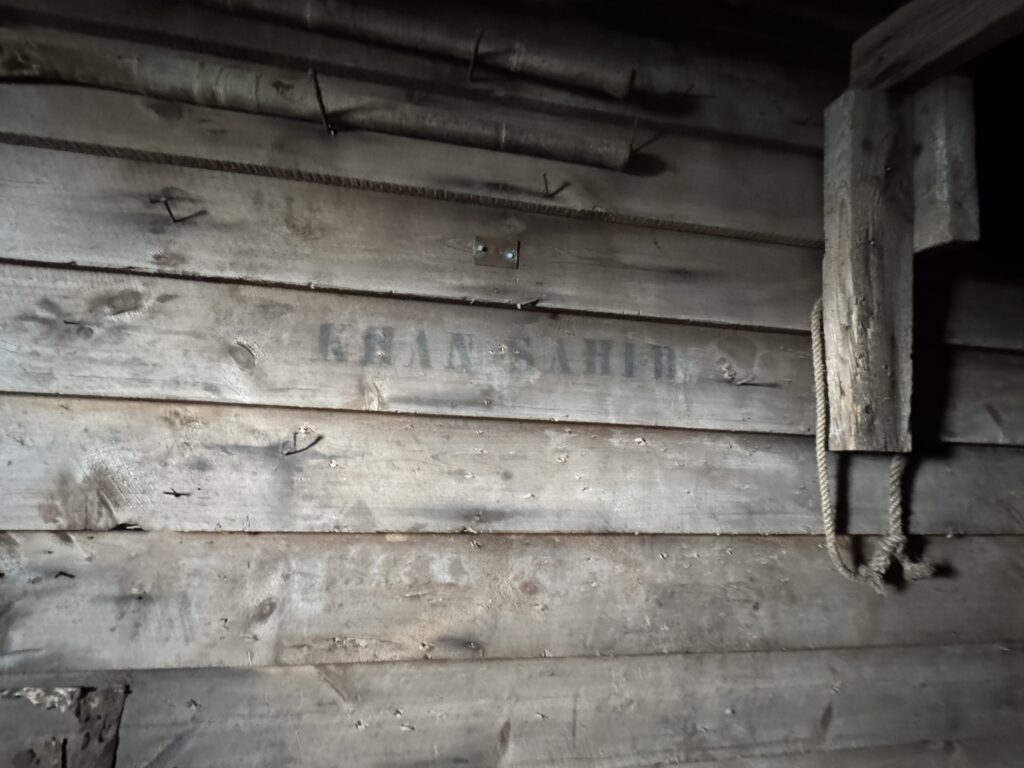
Around the outer layer of the hut where the ponies slept, the pictures in order show: seal blubber, mummified emperor penguins, a pony stall with the skeleton of a dog, a plaque showing the name of the pony- Khan Sahib.
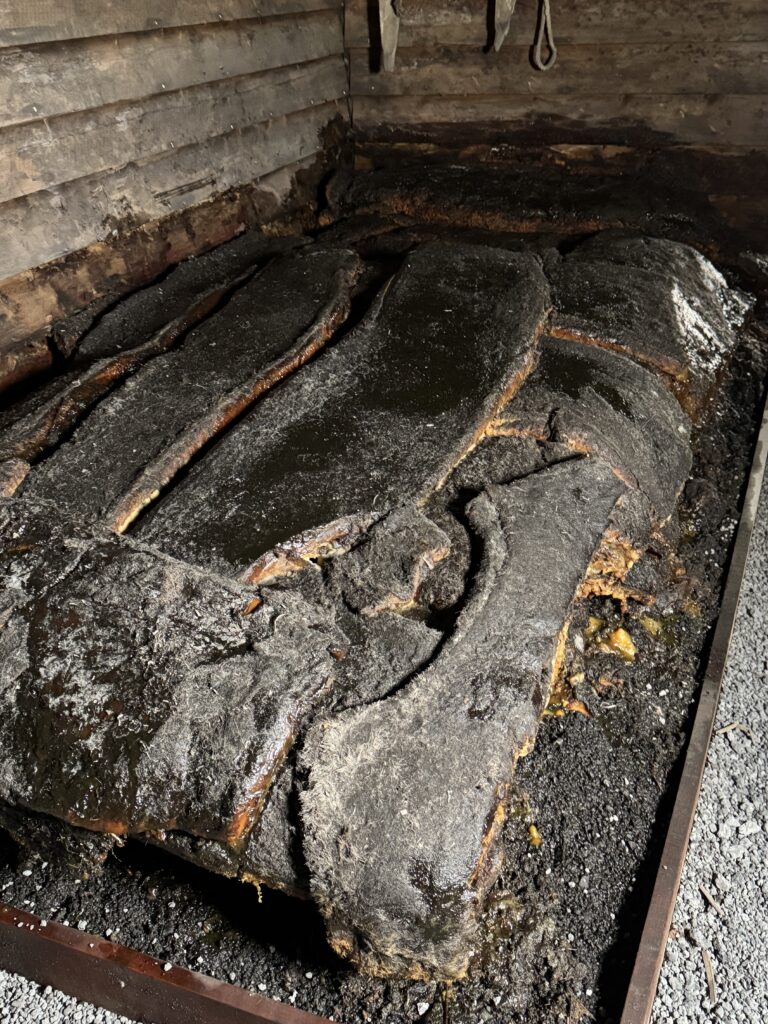
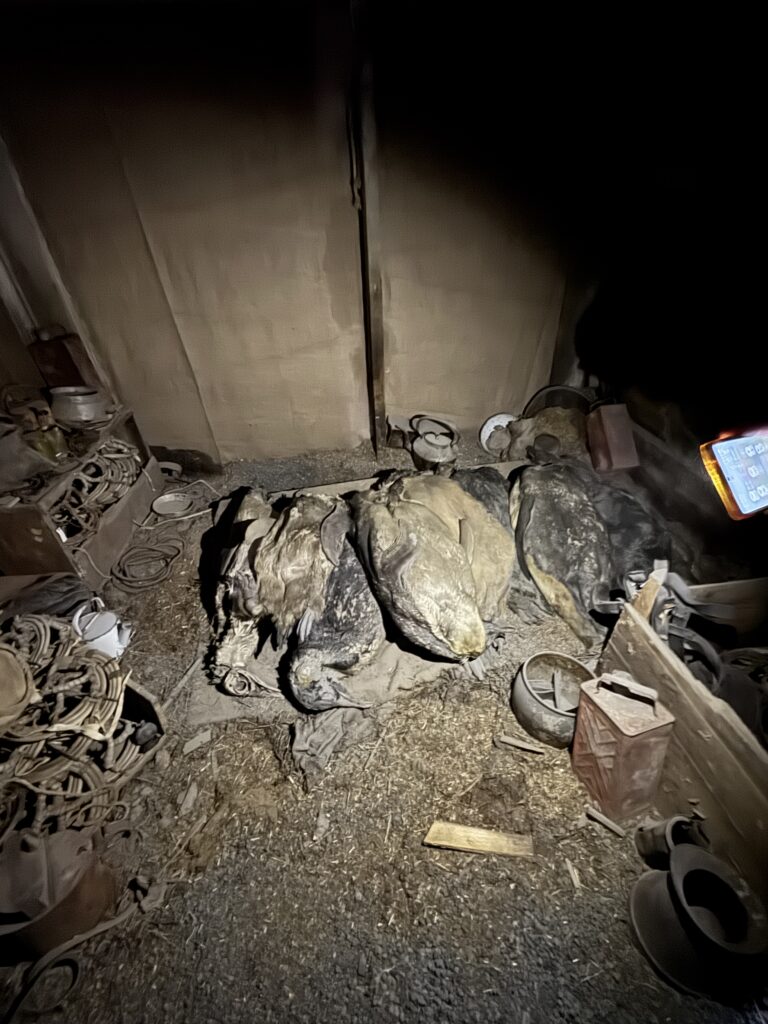
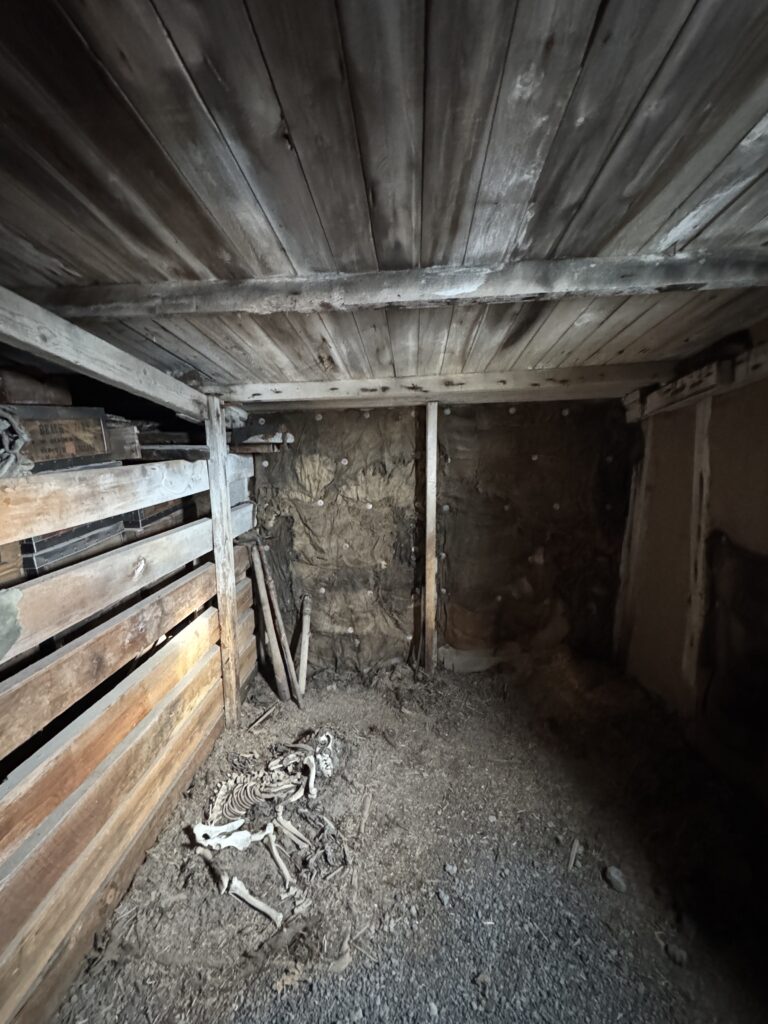
Around the grounds, you can see where the dogs were tethered, and a mound of dog skeletons.


The expedition broke into teams and conducted separate missions. When Scott selected his final team for the dash to the Pole, he took his old teammate Wilson, Oates,Evans and Bowers.
What happened next is undoubtedly the most famous story of Antarctica exploration. The team battled across the polar plateau and reached the South Pole on 17 Jan 1912. Waiting for them was the small dull brown grey tent that Amundsen had left at the Pole some 35 days earlier.
The 5 explorers never made it back to the Terra Nova hut. Scott perished during a raging blizzard on March 21.
The Cape Evans hut was closed up in Jan 1913. A large jarrah cross was erected on Observation Hill in memory of the polar team.
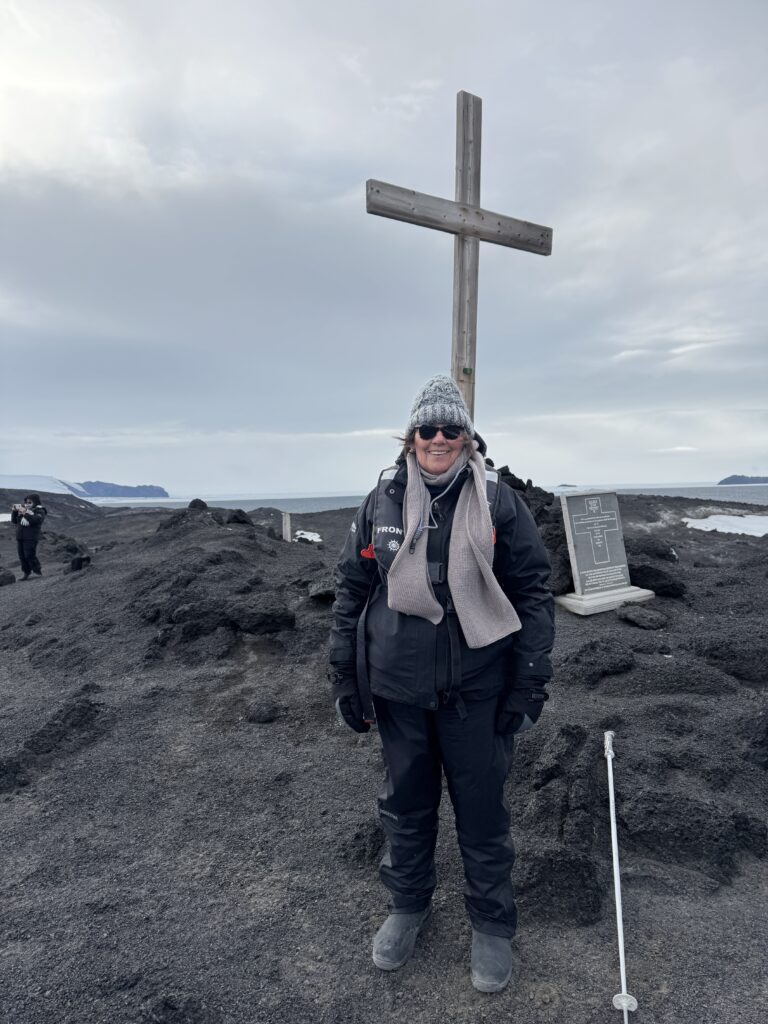

It was pretty cold when we visited- about -14 degrees C, and very windy. We were out in this weather for just 1 hour. It makes you realise how very brave the Antarctica explorers were.
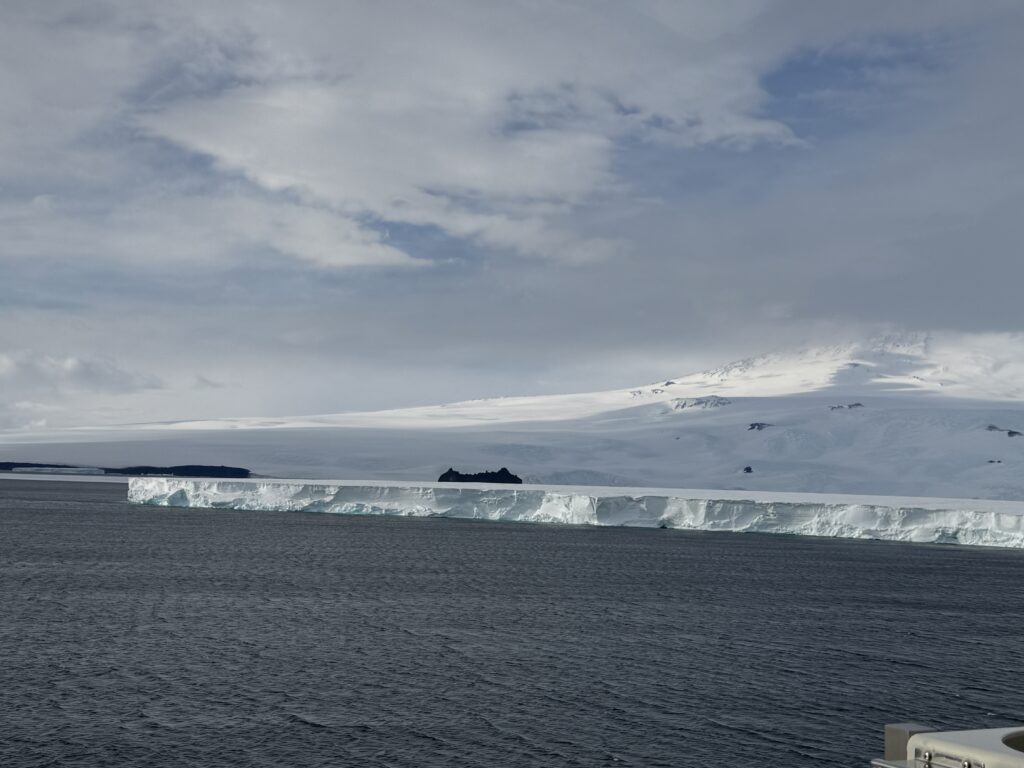
We sailed from Cape Evans to visit the Erebus ice tongue, which is a mountain glacier that projects 11 km into McMurdo Sound from the Ross Island coastline. The ice tongue was named and charted by one of Scott’s expeditions. You can see the end of the tongue on the left side of the picture.
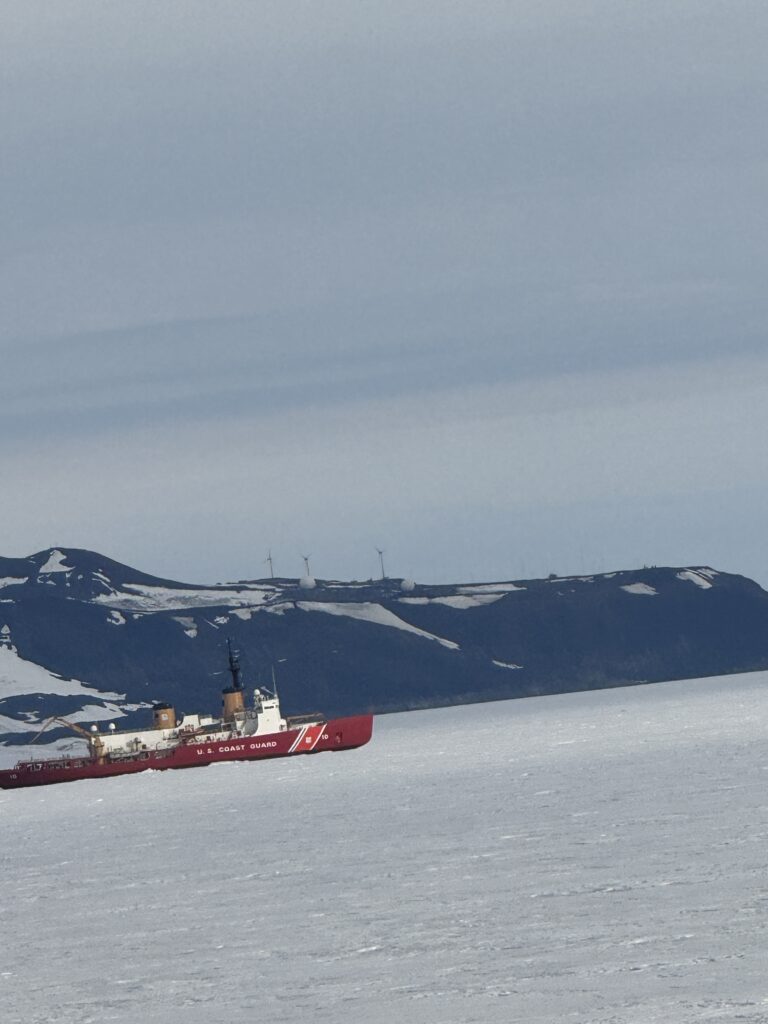
There were a group of Emperor Penguins playing on the ice. And in the distance was the US icebreaker which came to our rescue yesterday. Behind the icebreaker, you can see the wind farm and buildings belonging to the US Antarctic base, which is the largest on the continent.

A magic day today.
Comments
2 responses to “Antartica East 2026”
Sara
What a privilege to be part of your amazing holiday
I’m getting a wonderful history lesson with each blog – thank you Sar xxxx