
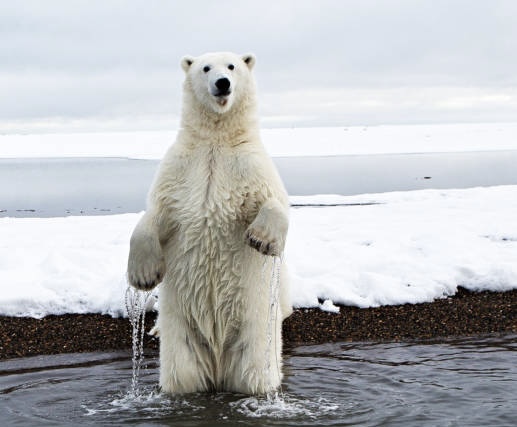
Day 9: At sea
Still on a commercial break, but thought you needed some Arctic related information to keep your interest up!
The Arctic tern
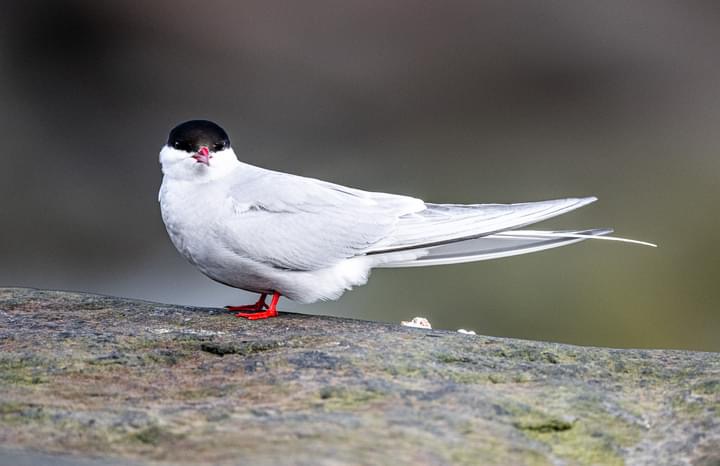
The Arctic tern, an elegant white seabird, migrates further than any other bird. It travels from pole to pole. It breeds on the shores of the Arctic Ocean in summer, then heads to the southern hemisphere to continue its life of endless summertime. In fact this bird sees more daylight than any other.
How far does it travel, I hear you ask? It flies 70,000 km each year, flying around 330km per day on southbound migration and 520 km per day on northbound migration. 70,000 km is like flying from Sydney to London and back, twice.
Climate change
The Arctic is experiencing some of the most severe and rapid climate change on earth. Loss of sea ice is measured in September ( summer) when ice is at its minimum.
The yellow line shows the extent to which the ice existed in 1981-2010 compared to 2023.

Absence of sea ice has led to discussions about the opening up of sea routes through the north east passage but also has impact on local communities.
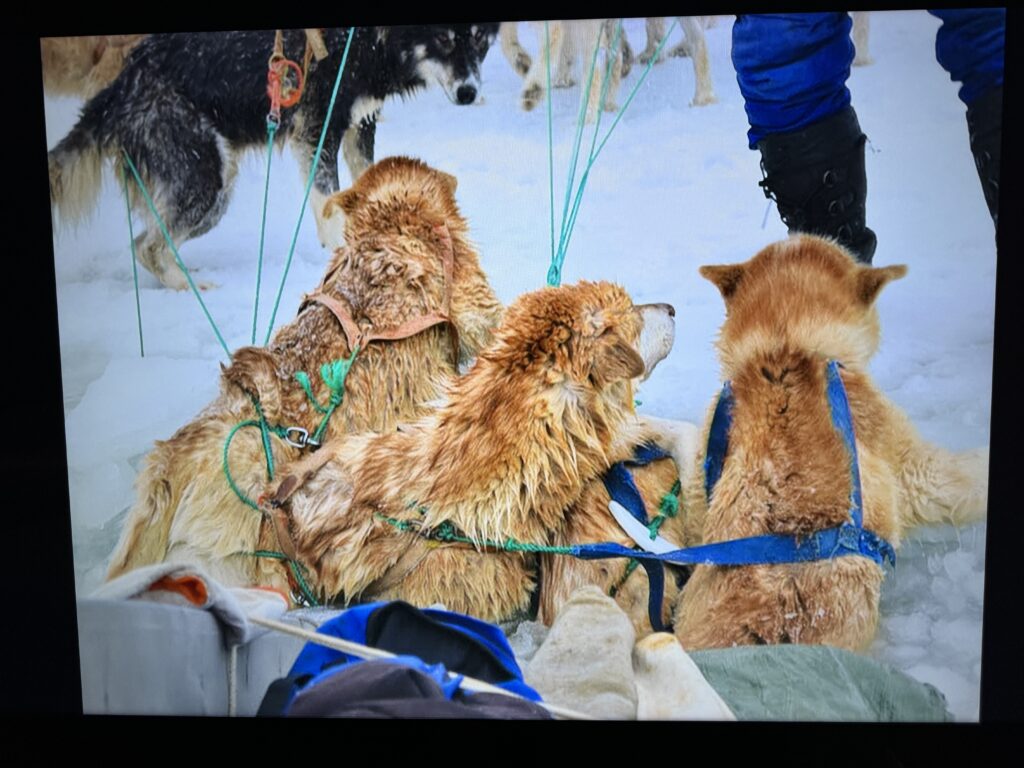
People rely on ice so they can sled and hunt. With the ice receding and thinning people can’t travel as they used to. There are also changes to species that live there. There are fewer seals and walrus which was the feed used for the sled dogs. Now the dogs have to be fed on halibut which isn’t as nutritious. So the ice, which used to be reliable for travelling on, is now less certain. It’s even affecting the dogs. The picture below shows how some of the dogs in the pack have fallen into the ice. They will be pulled out of the ice by the rest of the pack, which is in a fan shape
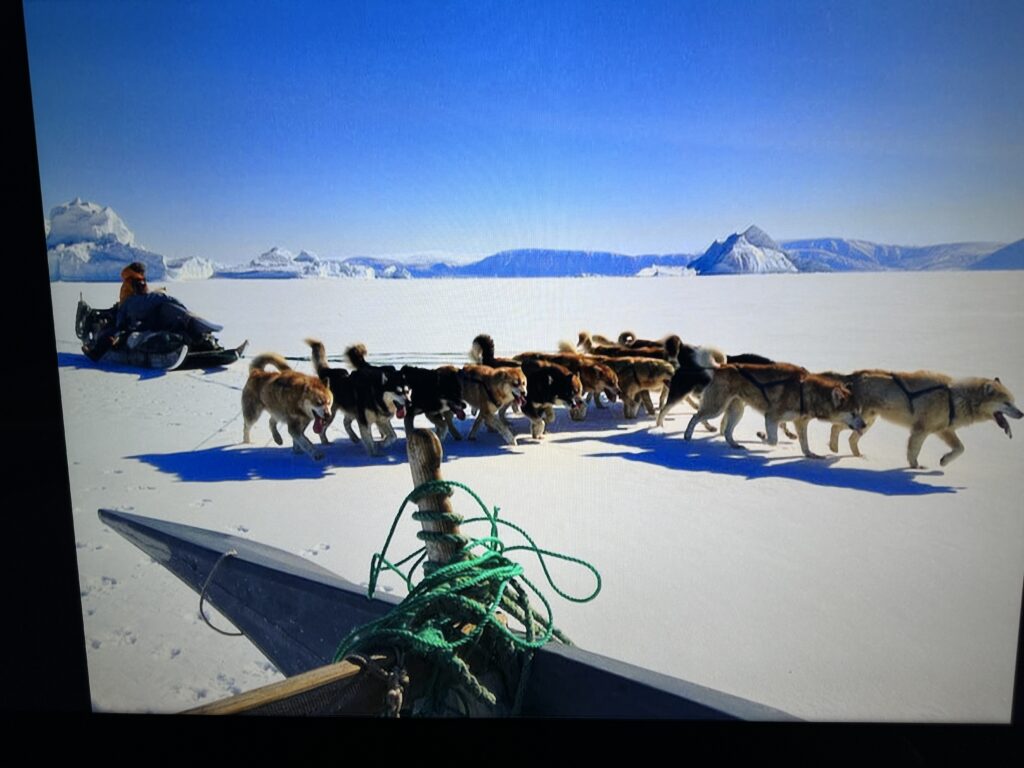
They’re now talking about the “Atlantification of the Arctic Ocean. As the sea ice disappears, the Arctic Ocean surface heats up. Warmer surface water melts more sea ice and enables the Atlantic and Arctic oceans to mix more easily. So the Arctic Ocean is transforming from cold, fresh, ice covered to warm, saltier, ice free water more like the Atlantic. Svalbard and the northern Barents Sea is the fastest warming region in entire arctic.
Other stuff
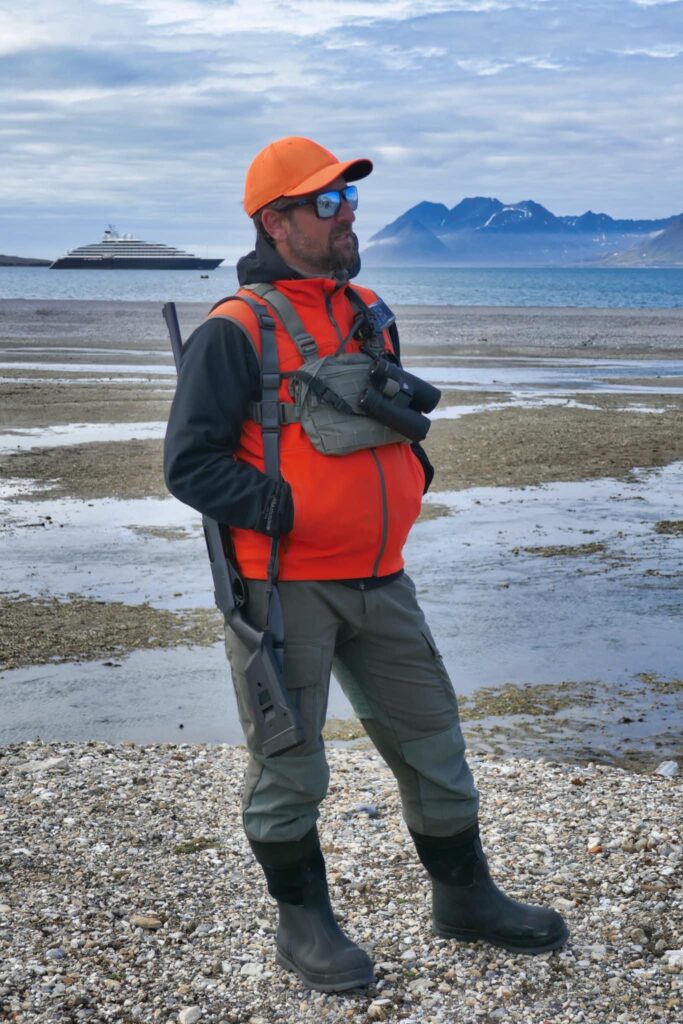
Here’s an illegally taken picture of the crew who guard us when we are on land.
and here’s today’s coffee design as well as one of the cake offerings (I’m in heaven….so many cake and dessert choices!)