
June 13: Krakow
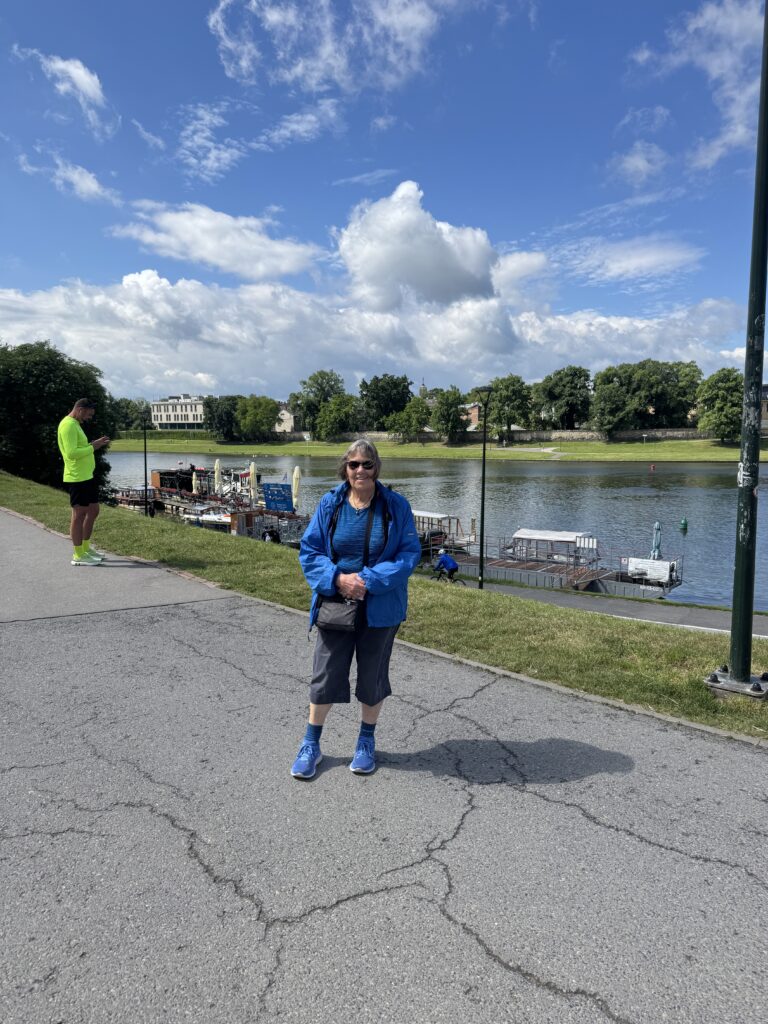
Started the day with a walk to the Vistula River. It’s the longest river in Poland and runs right through the city, passing landmarks like Wawel Castle and the historic Old Town area.
Then it was time for our usual coffee…Deena did a search for the best coffee shops in Krakow, while I organised umbrellas as rain was forecast at 11.16 am, and sure enough it rained at 11.16 am for 2 minutes! We reached the cafe 20 minutes later but the coffee was ordinary, so Google lied!
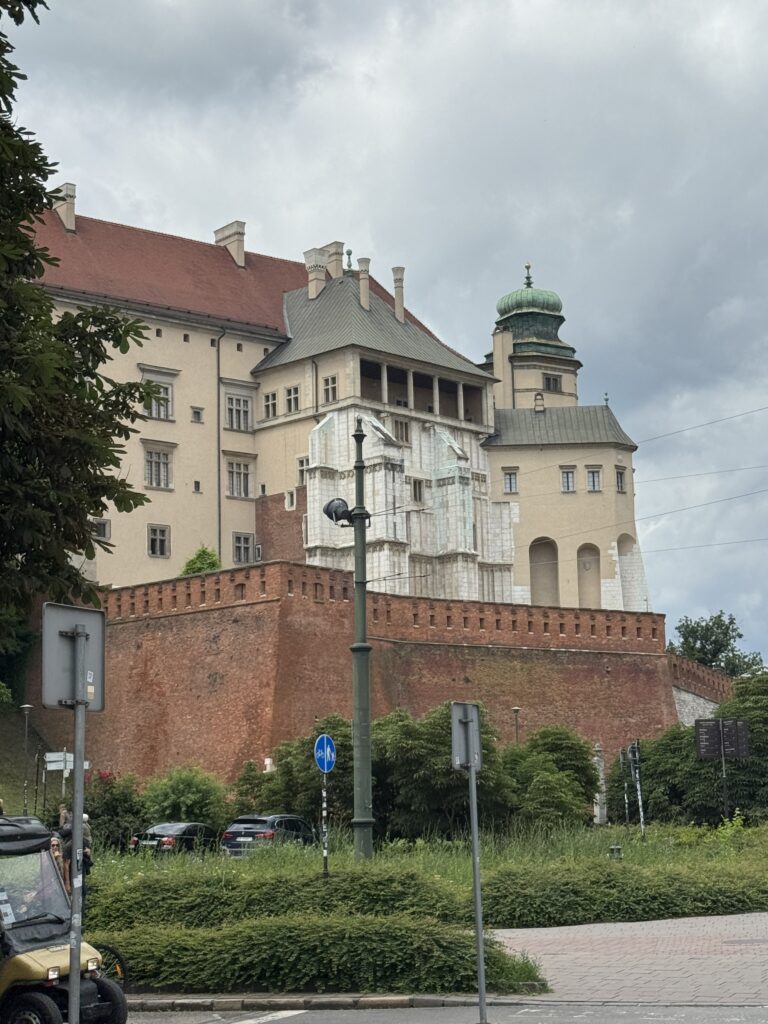
We then visited Wawel Castle which is a historic royal castle complex located on Wawel Hill, right above the Vistula River. It’s not just one building—it’s a whole complex that includes: the royal castle, the Wawel Cathedral, courtyard, towers and defensive walls. Used by the Nazis during WW2.


The man on the horse is Tadeusz Kosciusko, one of Poland’s national heroes as well as the name given to to our hydro scheme.
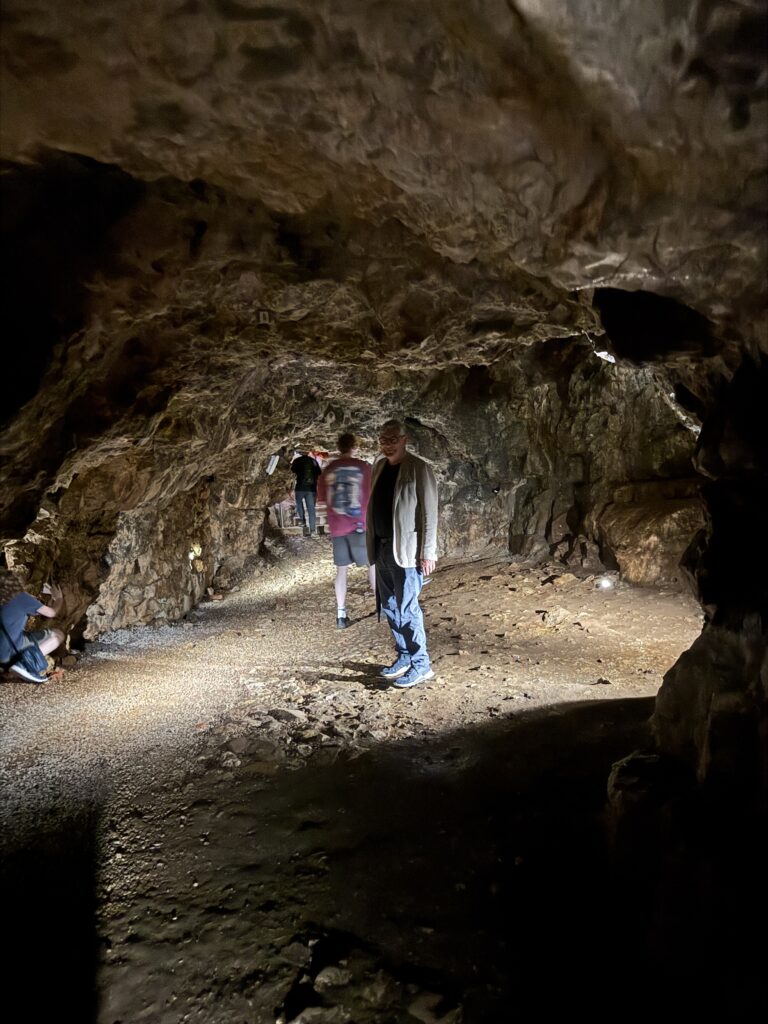
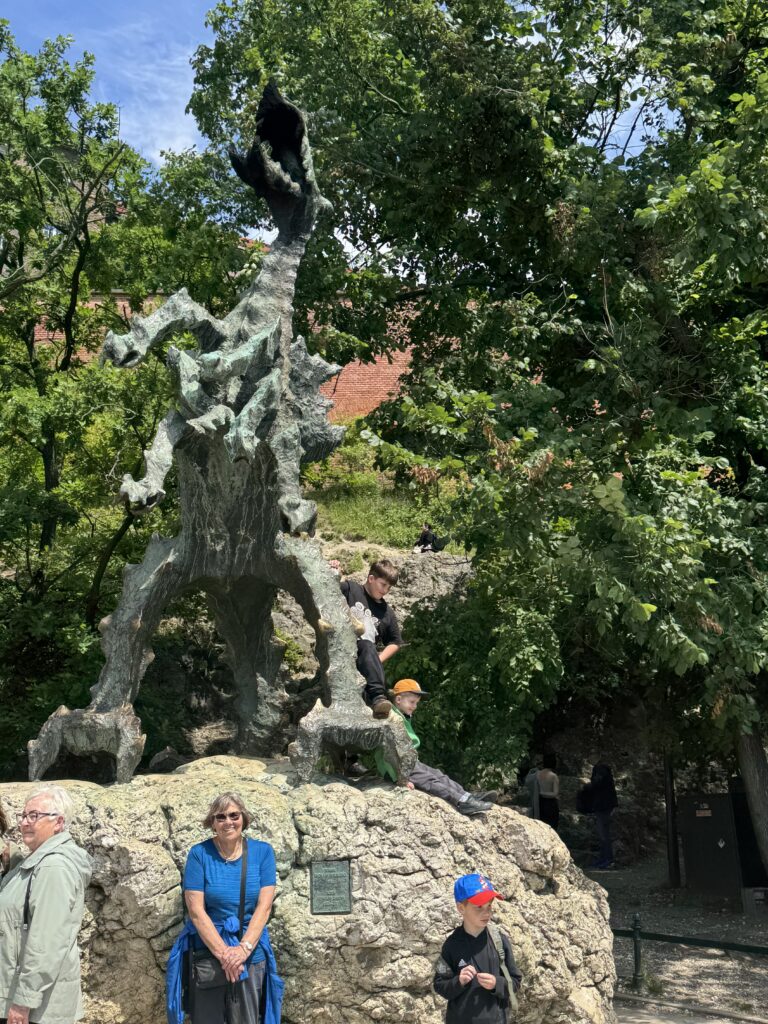
Wawel is also tied to a legendary story: A dragon (Smok Wawelski) supposedly lived in a cave under the hill. It terrorised the city until it was defeated using a clever trick involving sulphur. The man-eating monster was being appeased with a weekly ration of cattle, until finally being defeated by the king’s sons using decoy cows stuffed with sulphur. We visited the Dragon’s den
In the afternoon, we did a fantastic walking tour of the Jewish quarter and the remnants of the Krakow Ghetto.
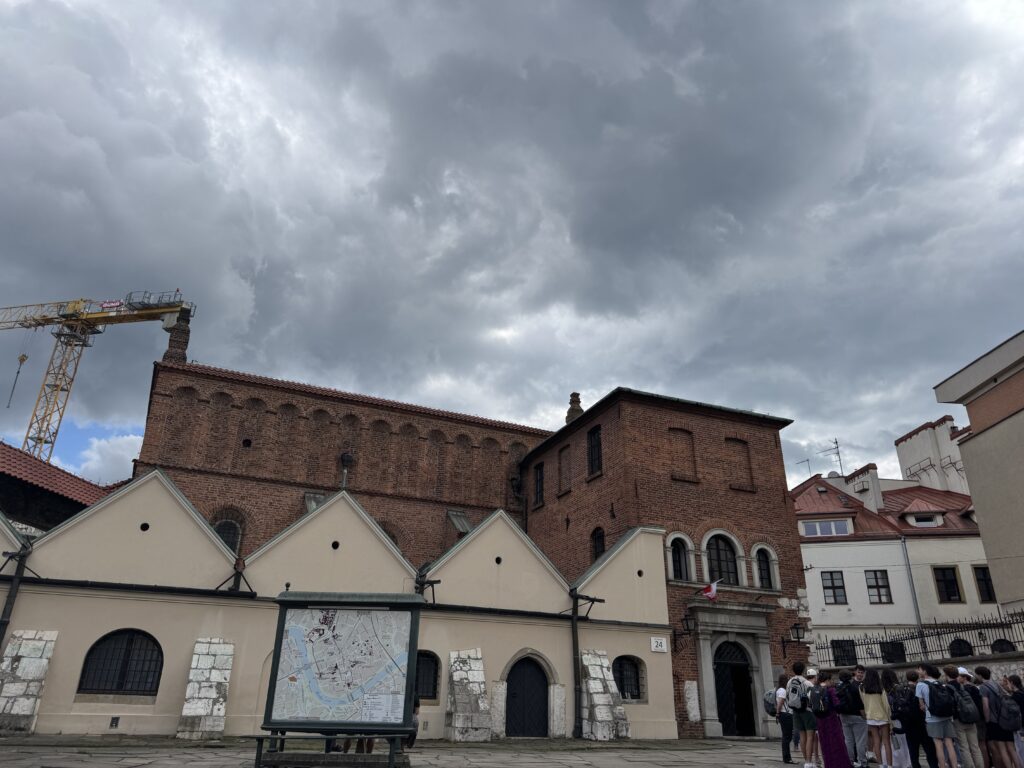
The heart of Jewish life in Kraków was Kazimierz just south of the Old Town. It became the main Jewish area after Jews were moved there in 1495, following a period in which they were protected and flourished under King Casimir the Great. For centuries, it was a major centre of Jewish culture, religion and learning with thousands of synagogues. Now there are only 7, of which 4 are still open for prayer.
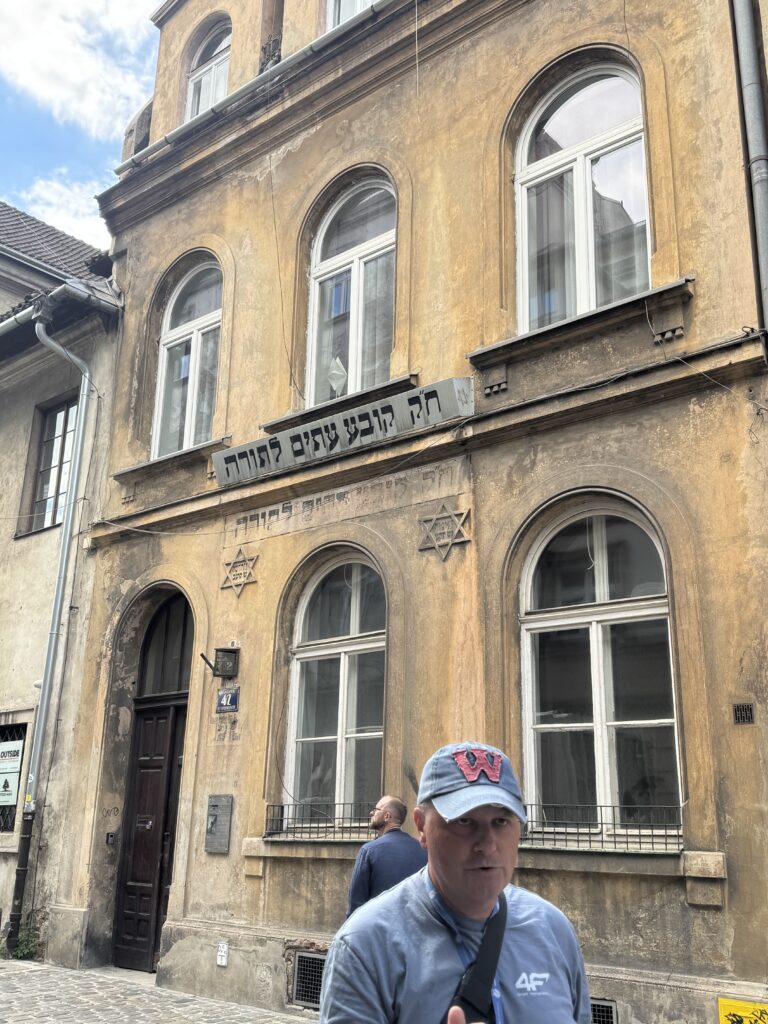
Some of the famous people to come from this area were Helena Rubenstein, who left the country and settled in Melbourne after her father told this 20 year old that she was to marry a 60 year old. Also film producer Roman Polanski.This is Helena’s house
After Nazi Germany occupied Kraków in 1939, Jews were persecuted, forced into labour, and stripped of rights. In 1941, the Krakow Ghetto was created in Podgórze. Around 15,000 Jews were forced into the ghetto.A piece of the ghetto wall has been preserved.
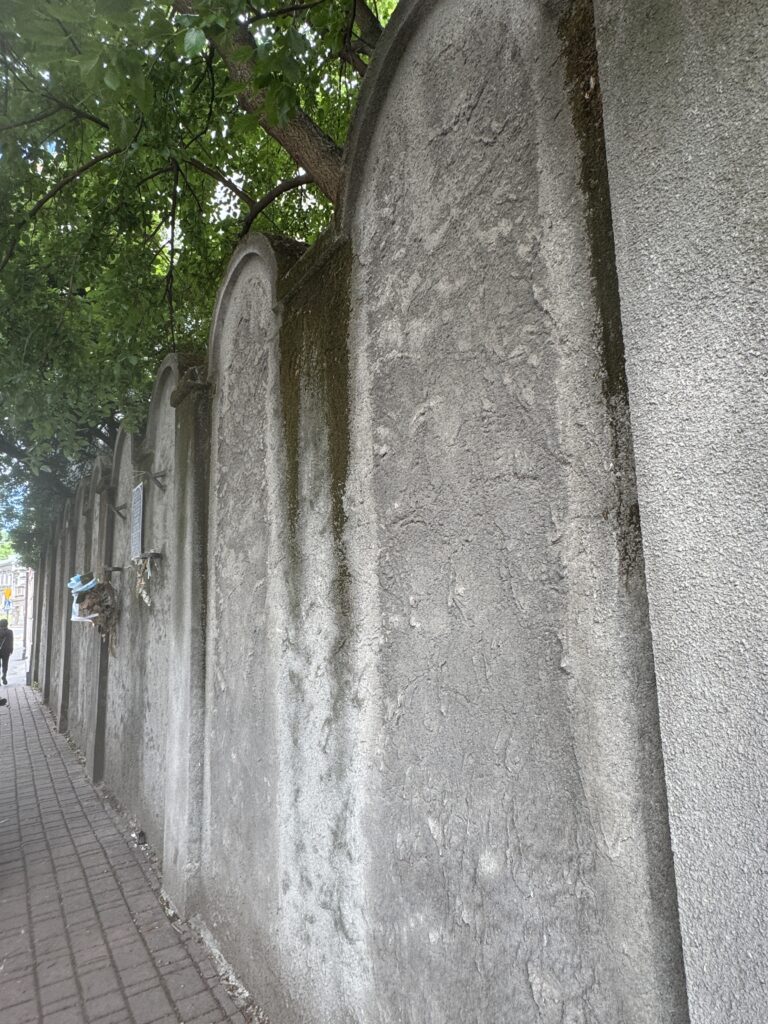
Many were deported to extermination camps like Auschwitz and Belzec. Others were sent to labour camps like Plaszow. The vast majority of Kraków’s Jewish population was killed during the Holocaust.
In what is now called Heroes Square, the selection process took place in the grey building, and you either went to the side where you would be sent to work, or to the side where you would be sent for extermination.

Heroes Square has 65 chairs scattered around the square, to represent the 65,000 Jews who were killed. It is very moving to see.

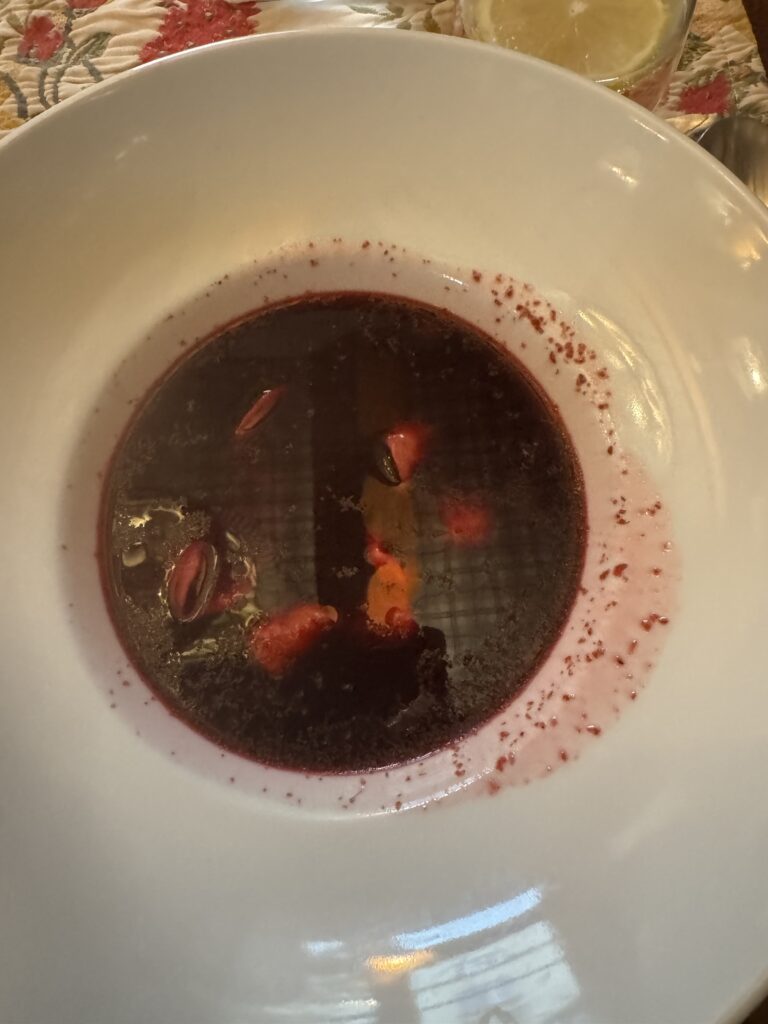
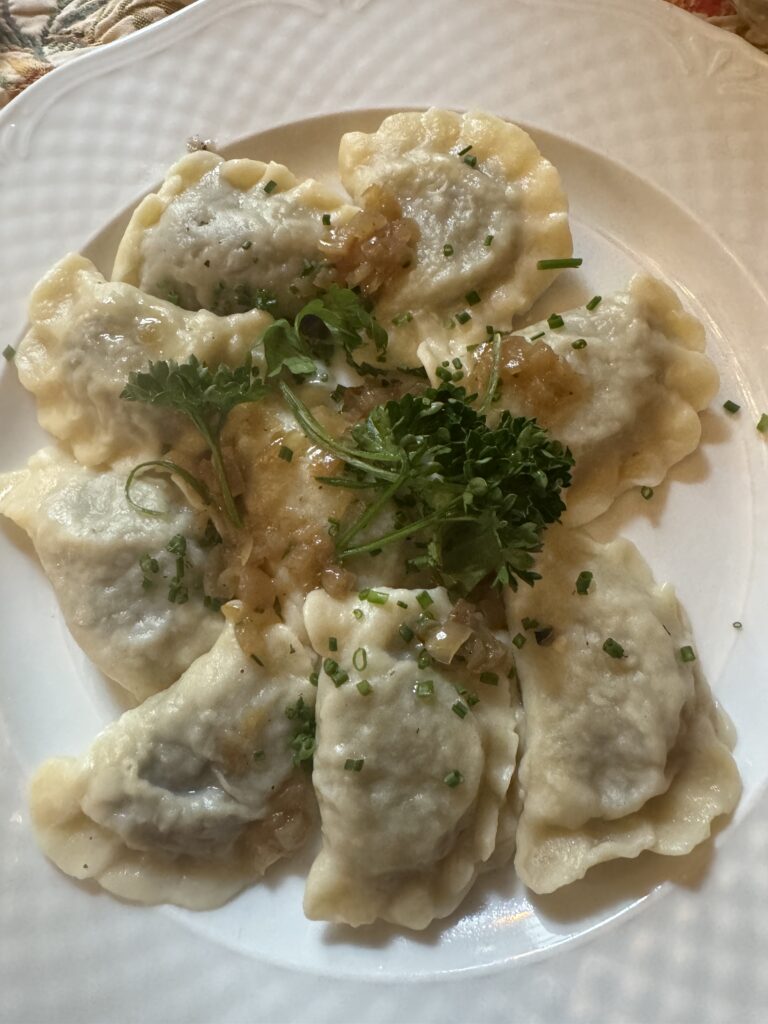
Dinner tonight ….borscht soup and dumplings.
Comments
3 responses to “Jak się masz dzisiaj?”
Truly moving Sar, thank you. Looks also like a vibrant place.
The 65 scattered chairs in the square did it for me – crying my eyes out!
The 65 chairs very moving. My Oma made pierogi… my fav. Xxxooo